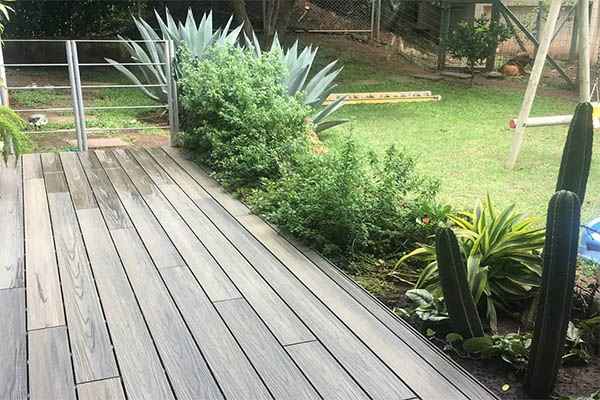
Wood plastic composite decking colors can change the appearance, comfort and maintenance experience of an outdoor project.
A light grey deck may make a balcony feel brighter and more open. Meanwhile, coffee or charcoal decking can create a stronger and more premium visual effect. Natural wood tones such as teak and brown can also help the deck blend with gardens, stone and outdoor furniture.
However, color selection should not depend only on personal preference.
Sunlight, local climate, surrounding architecture, surface texture, cleaning frequency and future repeat orders can all influence the final choice.
For distributors and project buyers, another issue is equally important: the color shown on a screen is not always identical to the finished board. Therefore, physical sample approval and batch control should be part of the purchasing process.
This guide explains how to choose WPC decking colors for residential, commercial and wholesale projects.
What Colors Are Available for WPC Decking?
WPC decking can be produced in a wide range of wood tones, greys and darker neutral colors.
Common Senlai product listings include colors such as Red Brown, Mocha, Teak, Coffee, Silver Gray, Light Gray and Charcoal, although available colors can vary according to the decking profile and product series.
For practical selection, these colors can be grouped into several main families.
Teak and Natural Wood Colors
Teak and similar natural wood tones are among the most versatile choices.
They create a warm appearance without looking excessively dark. In addition, they work well with plants, stone, brick and most outdoor furniture.
Typical applications include:
- Gardens
- Residential patios
- Balconies
- Villa terraces
- Landscape projects
- Resorts
For buyers who are unsure which color will suit a broad market, medium wood tones are often easier to position than very light or very dark colors.
Coffee and Dark Brown Colors
Coffee and dark brown WPC decking creates a deeper and more traditional wood appearance.
These colors can work well in larger outdoor areas because they provide strong visual contrast.
Typical applications include:
- Hotels
- Outdoor restaurants
- Large terraces
- Villas
- Commercial outdoor spaces
- Traditional garden designs
However, darker surfaces generally absorb more heat under strong sunlight. Therefore, local climate should be considered before choosing a very dark shade for barefoot areas.
Light Grey WPC Decking
Light grey creates a clean and modern appearance.
It can make a small outdoor space feel brighter and less visually heavy. As a result, it is commonly considered for modern balconies, poolside areas and contemporary residential projects.
Light grey also works well with:
- White walls
- Black railings
- Glass fences
- Metal furniture
- Concrete
- Minimalist architecture
However, light surfaces may show mud, dark stains and certain types of dirt more clearly.
Silver Grey WPC Decking
Silver grey sits between very light grey and dark charcoal.
Therefore, it can provide a useful balance between modern appearance and practical maintenance.
It works particularly well with modern architecture and neutral exterior colors.
For distributors, silver grey can also be useful because it is less visually extreme than a very pale or very dark grey.
Charcoal WPC Decking
Charcoal creates a strong contemporary appearance.
It works well with modern villas, commercial terraces, black-framed architecture and minimalist landscaping.
However, charcoal is a dark color. Consequently, surface heat should be considered in areas with strong direct sunlight.
It may also show some light-colored dust, water marks or scratches more clearly than medium wood tones.
Red Brown and Warm Wood Colors
Red brown and other warm shades can create a more traditional outdoor appearance.
These colors work well with brick, warm stone, timber-style structures and landscaped gardens.
They may also appeal to markets where customers prefer richer wood colors instead of modern grey tones.
How WPC Decking Color Affects Outdoor Design
Color changes the way people perceive an outdoor space.
Therefore, buyers should consider the building, landscaping and furniture together rather than selecting the decking independently.
Light Colors Make Small Spaces Feel More Open
Light grey, light wood and similar tones reflect more light visually.
As a result, balconies and narrow terraces may feel more open.
These colors can work particularly well where the project already includes:
- White walls
- Light stone
- Glass railings
- Light outdoor furniture
However, a very light deck may create too little contrast in an entirely white project.
In that situation, a medium grey or teak color may produce a more balanced result.
Dark Colors Create Stronger Visual Contrast
Coffee, charcoal and dark brown create more visual weight.
Therefore, they are often suitable for large terraces, hotels and commercial spaces where a stronger design statement is desired.
Dark decking can also provide an attractive contrast with:
- White facades
- Green landscaping
- Light furniture
- Glass
- Metal structures
Nevertheless, heat exposure should still be considered.
Natural Wood Colors Blend With Landscaping
Teak, brown and similar wood tones naturally coordinate with plants and outdoor materials.
They are particularly useful for garden projects because the color does not visually compete with surrounding greenery.
Natural wood tones also match:
- Stone paving
- Pergolas
- Flower beds
- Outdoor tables
- Garden fencing
Therefore, they remain a flexible option across many residential and landscape applications.
Grey Colors Match Modern Architecture
Grey WPC decking works especially well with contemporary buildings.
It can coordinate with black window frames, aluminium railings, concrete and glass.
Light grey creates a softer appearance, while charcoal gives stronger contrast.
Therefore, buyers can choose the shade according to whether the project should feel bright or dramatic.
Light vs Dark WPC Decking Colors
One of the most common decisions is whether to choose a light or dark WPC decking color.
Neither option is universally better.
The final choice should depend on climate, application, cleaning expectations and design.
Advantages of Light WPC Decking Colors
Light shades can:
- Make small spaces appear larger
- Create a clean and modern appearance
- Match light buildings easily
- Absorb less solar heat than darker shades
- Suit poolside and sunny projects
For hot climates, light or medium colors can be worth considering because dark surfaces generally become warmer under strong sunlight.
Limitations of Light Colors
Light decking may make some dirt more visible.
Mud, dark soil, food stains and plant residue may stand out against a light grey or beige surface.
Therefore, a project surrounded by heavy landscaping may require more frequent visual cleaning.
Advantages of Dark WPC Decking Colors
Dark shades can:
- Create a premium appearance
- Add visual depth
- Match modern architecture
- Blend with dark outdoor furniture
- Hide some darker dirt and marks
Coffee and dark brown also resemble traditional hardwood tones.
Limitations of Dark Colors
Dark colors can become warmer under direct sunlight.
In addition, light dust, dried water marks or pale scratches may become more noticeable on some dark surfaces.
Therefore, buyers should evaluate both appearance and expected maintenance.
Medium-Tone WPC Decking: A Practical Middle Option
For many projects, medium-tone colors provide a practical balance.
Examples include:
- Teak
- Medium brown
- Grey-brown
- Medium grey
- Coffee in a moderate shade
These colors are neither extremely light nor extremely dark.
Therefore, they can balance surface heat, dirt visibility and design flexibility.
For distributors serving several customer groups, medium colors can also be easier to stock because they suit a wider range of architectural styles.
How to Choose WPC Decking Colors for Different Projects
The best decking color changes according to the application.
A hotel terrace and a residential balcony may have very different design and maintenance requirements.
WPC Decking Colors for Gardens
Recommended directions include:
- Teak
- Brown
- Coffee
- Grey-brown
- Natural wood tones
These shades blend naturally with plants, soil, stone and garden furniture.
A warm wood color can make the deck feel connected to the surrounding landscape.
For highly landscaped areas, medium tones may also make daily dirt less visually obvious than very pale decking.
WPC Decking Colors for Balconies
Balconies are often smaller than gardens or commercial terraces.
Therefore, lighter colors can help create a more open visual effect.
Suitable choices may include:
- Light grey
- Silver grey
- Teak
- Light brown
For modern apartment buildings, grey decking can coordinate particularly well with glass and metal railings.
WPC Decking Colors for Poolside Areas
Poolside color selection should consider both appearance and surface temperature.
Light and medium shades are often practical choices.
Possible options include:
- Light grey
- Silver grey
- Teak
- Light brown
However, color alone does not determine whether decking is suitable around a pool.
Buyers should also evaluate drainage, surface temperature and relevant slip-resistance information.
WPC Decking Colors for Hotels and Resorts
Hotels and resorts often require a more coordinated visual design.
Possible choices include:
- Teak
- Coffee
- Grey-brown
- Charcoal
- Mixed wood tones
The right option depends on the style of the property.
A tropical resort may prefer warm teak shades, while a modern city hotel may prefer grey or charcoal.
For hospitality projects, buyers should also think about replacement stock and future color matching.
WPC Decking Colors for Restaurants
Restaurant terraces need to balance appearance and practical maintenance.
Medium or darker colors may help reduce the visibility of some daily marks.
Suitable directions include:
- Coffee
- Brown
- Dark grey
- Grey-brown
- Mixed-color capped decking
However, food and oil should still be cleaned promptly regardless of color.
A darker deck does not make the material stain-proof.
WPC Decking Colors for Commercial Projects
Commercial spaces often require colors that remain visually consistent across large areas.
Therefore, project buyers should consider:
- Building facade
- Brand style
- Furniture
- Traffic level
- Cleaning schedule
- Future replacement requirements
Neutral colors such as teak, medium brown, silver grey and charcoal can be easier to integrate into commercial design.
How Climate Should Affect WPC Decking Color Selection
Climate is one of the most practical factors in color selection.
The same color can create a different user experience in a mild climate and a very hot climate.
WPC Colors for Hot and Sunny Climates
In areas with strong sunlight, very dark boards can become warmer.
Therefore, buyers may consider:
- Light grey
- Silver grey
- Teak
- Light or medium wood tones
This can be especially useful for poolside areas and other locations where people may walk barefoot.
WPC Colors for Rainy and Humid Climates
In rainy environments, buyers should consider how mud, water marks and plant residue will appear.
Medium grey and wood tones may provide a practical balance.
However, color does not replace proper drainage.
The complete decking system should still allow water to move away efficiently.
WPC Colors for Coastal Projects
Coastal architecture often works well with:
- Light grey
- Silver grey
- Teak
- Sand-like tones
- Medium wood colors
Senlai’s own coastal decking guidance also recommends lighter or medium tones where strong sunlight and barefoot comfort are concerns.
How Surface Texture Changes the Appearance of WPC Colors
The same pigment can appear different on different surface technologies.
Therefore, buyers should not compare color names without considering the surface.
Straight-Grain WPC Decking
Straight-grain decking usually creates a relatively clean and uniform appearance.
Colors can look more consistent because the surface pattern is simple.
This style works well with:
- Modern balconies
- Residential terraces
- Commercial walkways
- Minimalist architecture
3D Embossed WPC Decking
Deep embossing creates highlights and shadows across the wood-grain pattern.
Therefore, the color may appear lighter or darker depending on viewing angle and sunlight.
This makes the surface look more dimensional.
However, it also means that a flat color sample may not represent the final installed appearance accurately.
Capped or Co-Extruded WPC Decking
Capped decking uses an additional protective surface layer.
This technology can support more complex color combinations and wood-grain effects.
For example, some co-extruded surfaces use mixed tones instead of one completely uniform color.
As a result, capped decking can be useful for buyers seeking a more premium or natural-looking appearance.
Single-Color vs Mixed-Color WPC Decking
WPC decking does not always have to use one uniform shade.
Some products combine multiple tones to create a more varied wood appearance.
Single-Color Decking
Single-color products provide:
- Consistent appearance
- Simple product matching
- Easier catalog presentation
- Competitive positioning
They work well for projects where uniformity is important.
Mixed-Color Decking
Mixed-color decking can create:
- More natural visual variation
- Premium wood-grain appearance
- Greater surface depth
- Less repetitive patterning
However, variation is part of the design.
Therefore, buyers should approve several sample pieces rather than one small sample when the product intentionally contains mixed colors.
Why WPC Decking Colors May Look Different From Photos
One of the most important purchasing issues is that product photographs do not always represent the final color exactly.
Several factors can change how the board appears.
Screen Settings
Phones, computers and monitors display colors differently.
Brightness, contrast and color temperature can all influence the image.
Therefore, online photographs should be used as a reference rather than the final approval standard.
Lighting Conditions
A WPC board may look different under:
- Direct sunlight
- Shade
- Indoor lighting
- Warm artificial light
- Cool artificial light
For this reason, buyers should evaluate physical samples in lighting conditions similar to the final project.
Camera and Photo Editing
Camera exposure and image processing can alter the displayed color.
Therefore, a product catalog should not be the only basis for confirming a bulk order.
Surface Texture
Straight grain, embossing and co-extruded wood grain reflect light differently.
As a result, two boards made with similar pigments may still look different.
Wet and Dry Conditions
A wet WPC surface can temporarily appear darker than a dry surface.
Therefore, sample comparison should normally be done when the boards are clean and dry.
Why WPC Decking Can Have Batch Color Differences
B2B buyers should understand that slight color differences can occur between production batches.
WPC is an engineered material, but color is still affected by several production variables.
Possible factors include:
- Pigment batches
- Wood flour characteristics
- Polymer materials
- Additive variation
- Extrusion temperature
- Surface processing
- Production timing
Therefore, a repeat order made several months later may not be visually identical to the original shipment.
How to Reduce Color Differences in Large WPC Projects
Large projects require more careful color management.
A simple purchasing process can reduce unnecessary differences.
Approve a Physical Color Sample
Before mass production, the buyer should approve a real decking sample.
The sample should show:
- Color
- Surface
- Profile
- Texture
- Product technology
A small digital color block is not enough.
Record the Approved Color
The supplier and buyer should use a clear color reference or product code.
This reduces confusion caused by general names such as brown or grey.
Produce Large Projects in the Same Batch
When possible, boards for one visible project area should be produced together.
This can reduce the risk of noticeable differences between separate production runs.
Avoid Mixing Different Batches Randomly
If several batches are delivered, installers should check the boards before installation.
Noticeably different batches should not be mixed randomly across one highly visible area.
Keep Replacement Boards
For large hotels, commercial projects or public spaces, buyers may keep additional boards from the original batch.
This makes future replacement easier.
However, stored replacement boards may still look different from boards that have already weathered outdoors.
Why New Replacement Boards May Not Match Old Decking
Even when a new board uses the same factory color, an existing outdoor deck may have changed after years of exposure.
The older decking may show:
- Surface weathering
- Dust accumulation
- UV-related color adjustment
- Wear
- Cleaning differences
Therefore, perfect visual matching cannot always be guaranteed after long-term use.
This should be explained clearly to project customers.
How Importers Should Approve WPC Decking Colors
For wholesale purchases, color confirmation should be treated as part of product specification.
A useful approval process includes several steps.
Step 1: Select the Product Technology
Confirm whether the product is:
- Straight grain
- 3D embossed
- Traditional WPC
- Capped WPC
- Single color
- Mixed color
The same color name can look different on each surface.
Step 2: Request Physical Samples
Do not approve a bulk color from a website photograph alone.
Ask for physical samples of the actual product series.
Step 3: Compare the Samples Outdoors
Check the boards under natural daylight.
If the final project receives strong sunlight, compare the samples in similar conditions.
Step 4: Confirm the Color With the Profile
Color approval should be connected to the actual board profile.
A color approved on one product should not automatically be assumed to look identical on another surface or product technology.
Step 5: Record the Approved Sample
The approved physical sample should become the reference for bulk production.
This is particularly important for OEM and repeat orders.
How Distributors Can Build a Practical WPC Color Range
Offering too many colors can create inventory pressure.
Therefore, distributors should build a focused range based on local demand.
A practical product structure may include:
Natural Series
- Teak
- Brown
- Coffee
Suitable for traditional residential, garden and landscape markets.
Modern Grey Series
- Light Grey
- Silver Grey
- Charcoal
Suitable for modern villas, balconies, hotels and commercial projects.
Premium Mixed-Color Series
Co-extruded or capped wood-grain colors can serve higher-end projects.
This structure allows buyers to cover several market styles without stocking too many similar shades.
Should WPC Decking and Fence Colors Match?
They do not always need to be identical.
Using the same color can create a clean and coordinated appearance.
However, contrast can also work well.
For example:
- Teak decking + darker fence
- Grey decking + charcoal fence
- Brown decking + neutral wall panel
- Light decking + dark border
The final design should consider the entire outdoor space rather than one product category.
Can Different WPC Decking Colors Be Combined?
Yes.
Multiple colors can be used to define different areas.
Possible approaches include:
Border Design
Use a darker board around the outer edge of a lighter deck.
This helps define the shape of the installation.
Functional Zoning
Different colors can separate dining, seating and walkway areas.
Steps and Edges
Contrasting colors can highlight changes in level or important edges.
However, too many colors can make an outdoor project look visually busy.
Two coordinated shades are usually easier to manage than several unrelated colors.
Does WPC Decking Color Affect Maintenance?
Color does not change the basic cleaning method, but it affects how visible dirt and marks become.
Light Colors
May show:
- Mud
- Dark stains
- Leaves
- Soil
more clearly.
Dark Colors
May show:
- Light dust
- Water marks
- Pale scratches
more clearly.
Medium Colors
Often provide a practical balance.
Teak, medium brown and medium grey can hide a wider range of everyday marks without appearing excessively dark.
Therefore, maintenance expectations should be considered during color selection.
Does WPC Decking Color Affect Durability?
Color itself does not determine the complete durability of a WPC board.
Long-term performance depends on many factors, including:
- Material formulation
- Product structure
- Pigment system
- Surface technology
- UV stabilizers
- Manufacturing quality
- Installation
- Climate
Therefore, buyers should not assume that a particular color is automatically more durable.
However, different colors can make normal outdoor changes more or less visible.
Does WPC Decking Fade?
Outdoor WPC can experience some color adjustment over time.
The amount depends on the product technology, pigment system, UV exposure and local climate.
Traditional WPC and capped WPC may also behave differently because their visible surface structures are not the same.
Therefore, suppliers should avoid absolute claims such as “never fades.”
A better purchasing approach is to review physical samples, available weathering information and the expected characteristics of the exact product.
How Capped WPC Affects Color Options
Capped or co-extruded decking can provide additional design flexibility.
The protective surface layer can support:
- Mixed colors
- Deeper wood-grain effects
- More complex color variation
- Improved surface color stability
Therefore, capped decking is often suitable for buyers seeking a premium visual appearance.
However, the final color should still be approved with a physical sample.
What Should B2B Buyers Ask Before Confirming a Color?
Before placing a bulk WPC decking order, buyers should confirm:
- What standard colors are available?
- Is the product single-color or mixed-color?
- Can custom colors be produced?
- Does the approved color apply to this exact profile?
- Is the surface straight grain, embossed or capped?
- Can physical samples be supplied?
- How are repeat-order colors recorded?
- Can the project quantity be produced in one batch?
- What color variation should be expected?
- Are spare boards recommended for future replacement?
These questions help reduce misunderstandings after production.
Frequently Asked Questions
What are the most common WPC decking colors?
Common WPC decking colors include teak, brown, coffee, light grey, silver grey, charcoal and other wood-tone or neutral shades. Available colors vary by manufacturer and product series.
Which WPC decking color is best?
There is no single best color.
The right choice depends on the climate, project style, surrounding materials, sunlight exposure and maintenance expectations.
Is light or dark WPC decking better?
Light decking can create a brighter appearance and generally absorbs less heat than very dark decking. Dark decking creates stronger visual contrast but may become warmer under direct sunlight.
Which WPC color is best for a garden?
Teak, brown, coffee and other medium wood tones are practical because they coordinate naturally with plants, stone and outdoor furniture.
Which WPC color is best around a pool?
Light grey, silver grey, teak and lighter wood tones can work well for poolside projects. However, slip performance, drainage and surface temperature should also be considered.
Does dark WPC decking get hotter?
Dark surfaces generally absorb more solar heat than lighter surfaces. Therefore, very dark decking may feel warmer under strong direct sunlight.
Does WPC decking color fade?
Some color adjustment can occur after outdoor exposure. The amount depends on pigments, surface technology, UV exposure and local climate.
Why does my WPC sample look different from the website photo?
Screen settings, camera exposure, lighting and surface texture can all change how a color appears. Therefore, physical samples are more reliable for final approval.
Can WPC decking have batch color differences?
Yes. Slight variations can occur between production batches. Large projects should use approved samples and, where possible, produce the required quantity together.
Can WPC decking colors be customized?
Custom colors may be available for bulk orders depending on the product, quantity and manufacturer requirements.
Conclusion
Wood plastic composite decking colors should be selected according to more than appearance.
Light colors can make outdoor spaces feel brighter and may reduce surface heat compared with very dark shades. Dark colors create stronger contrast and a premium appearance, while medium wood and grey tones often provide a practical balance between design and maintenance.
Project type also matters.
Gardens may work well with teak and brown. Modern balconies can use light or silver grey. Hotels and commercial projects may prefer coffee, charcoal or premium mixed-color surfaces.
For B2B buyers, however, color approval goes beyond choosing a name from a catalog.
Screen images, lighting, surface texture and production batches can all influence the final appearance. Therefore, physical samples, approved color references and batch control are important before mass production.
The most suitable WPC decking color is the one that matches the project design, climate, surface technology and long-term maintenance expectations.
Looking for WPC Decking Colors for Your Market or Project?
Senlai supplies WPC decking in multiple wood tones, greys and darker colors for distributors, contractors and outdoor projects. Product listings include options such as Red Brown, Mocha, Teak, Coffee, Silver Gray, Light Gray and Charcoal, depending on the product series.
Customized colors, board lengths, surface textures, packaging and OEM requirements can also be discussed for bulk orders.