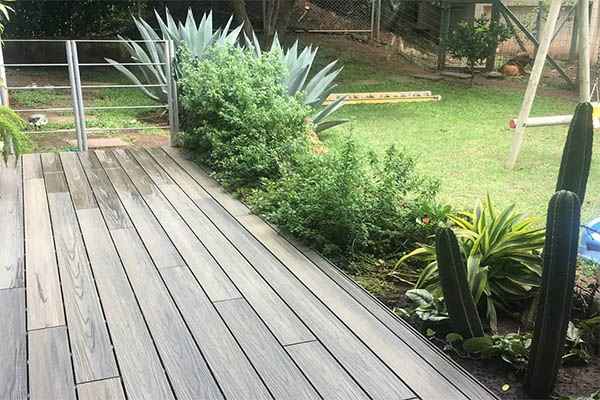
Low maintenance composite decking is one of the main reasons homeowners, distributors and project buyers choose WPC for outdoor flooring.
Unlike many natural timber decks, wood plastic composite decking normally does not require repeated painting, staining, oiling or sealing to maintain its basic outdoor surface.
Instead, most routine care focuses on removing dirt, leaves, food residue and stains while keeping drainage gaps open.
However, low maintenance does not mean maintenance-free.
Composite decking still faces sunlight, rain, dust, foot traffic, food spills and seasonal weather. Therefore, regular cleaning and occasional inspection remain important for appearance and long-term performance.
For B2B buyers, maintenance also affects more than the end user. Hotels, resorts, restaurants and commercial projects need to consider cleaning labor, replacement boards, surface technology and long-term operating costs.
This guide explains why composite decking requires relatively little maintenance, what care it still needs and how buyers can select a suitable WPC decking system for different outdoor projects.
What Does Low Maintenance Composite Decking Mean?
Low maintenance means that the decking normally requires less routine surface treatment than many natural wood systems.
For WPC decking, regular care usually involves:
- Sweeping loose dirt and leaves
- Washing the surface when needed
- Removing spills promptly
- Keeping drainage gaps clear
- Checking clips and screws
- Inspecting damaged boards
- Keeping the substructure ventilated
In contrast, many natural timber decks may also require periodic staining, sealing, oiling, painting or sanding depending on the wood species and outdoor environment.
Therefore, low maintenance describes a reduction in ongoing work. It does not mean that owners can install the deck and ignore it completely.
Why Is Composite Decking Low Maintenance?
The low-maintenance characteristics of WPC come mainly from its material structure and manufacturing process.
Wood plastic composite combines processed wood fibers with thermoplastic polymers, pigments and functional additives.
The polymer binds the wood particles together and reduces their direct exposure to outdoor moisture. Meanwhile, manufacturers form the material into controlled profiles through extrusion.
As a result, WPC does not behave exactly like natural timber.
Several characteristics reduce the need for repeated surface treatment.
Composite Decking Does Not Normally Need Painting
Painting is one of the maintenance tasks often associated with timber surfaces.
WPC decking already receives its color during manufacturing. Pigments become part of the material or protective cap rather than being applied as a conventional decorative paint layer after installation.
Therefore, owners normally do not need to repaint the deck to maintain its standard appearance.
Why Is This Useful?
Avoiding repeated painting can reduce:
- Maintenance labor
- Paint material costs
- Surface preparation
- Drying time
- Temporary closure of the deck
This can be particularly useful for hotels, restaurants and commercial terraces where maintenance work may interrupt normal use.
However, outdoor exposure can still change the surface gradually. Therefore, “does not require painting” should not be interpreted as “the color never changes.”
Composite Decking Does Not Normally Need Staining
Natural timber is often stained to change or restore its appearance.
Composite decking already contains pigments and controlled surface colors.
Therefore, routine staining is generally unnecessary.
Depending on the product, WPC may be available in:
- Teak
- Coffee
- Brown
- Light grey
- Silver grey
- Charcoal
- Mixed wood tones
- Customized colors
Because the board leaves the factory with its intended color, the user can normally focus on cleaning rather than applying decorative stain.
Can WPC Color Change Outdoors?
Yes.
Sunlight and weather can cause some surface color adjustment over time.
Traditional uncapped WPC and capped WPC may also behave differently.
Therefore, suppliers should avoid claims such as:
“Never fades.”
A more accurate approach is to explain the expected outdoor characteristics of the exact product.
Does Composite Decking Need Sealing?
WPC decking does not normally require the same routine sealing process used for many natural timber decks.
The polymer component already helps reduce direct moisture exposure of the wood particles.
Therefore, users generally do not need to apply a conventional timber sealer every season.
However, composite decking should still be described as water-resistant rather than completely waterproof.
Water can still affect the complete installation when drainage is poor or when moisture remains trapped around the substructure.
As a result, good installation is more important than repeatedly applying surface sealers.
Does Composite Decking Need Oiling?
Routine oiling is generally unnecessary for WPC decking.
Natural timber may use oil to maintain appearance or protect the exposed wood surface.
WPC, however, uses an engineered material system with pigments and polymers already incorporated into the product.
Therefore, additional decking oil is normally not part of standard WPC maintenance.
In fact, applying a product designed for natural wood without confirming compatibility may affect the appearance of the composite surface.
Users should follow the maintenance instructions for the specific decking product.
Why Does WPC Resist Moisture Better Than Untreated Wood?
Natural wood can absorb moisture directly through its fibers, surface and cut ends.
WPC also contains wood-based material, but thermoplastic polymer surrounds and binds those wood particles.
As a result, normal outdoor moisture does not interact with WPC in exactly the same way as it interacts with untreated timber.
This characteristic helps reduce some common timber maintenance concerns.
However, proper drainage and ventilation remain essential.
Why Moisture Resistance Reduces Maintenance
Repeated moisture exposure can contribute to several problems in natural timber, including swelling, cracking, surface changes and biological decay.
WPC generally provides stronger resistance to these conditions than untreated natural wood.
Therefore, owners may spend less time treating the surface against moisture-related deterioration.
Nevertheless, moisture can still collect around:
- Board gaps
- Cut ends
- Wall edges
- Joists
- Fasteners
- Plant pots
- Blocked drainage areas
Consequently, the complete deck should remain clean and well ventilated.
Better Resistance to Rot Reduces Ongoing Care
Rot is another reason natural timber may require regular inspection and treatment.
WPC combines wood particles with polymer, which reduces direct environmental exposure of the wood component.
Therefore, WPC generally provides better resistance to rot than untreated timber.
This can reduce the need for repeated protective surface treatments.
However, dirt, leaves and organic material can still remain on top of the decking.
Surface mold may grow on this debris, especially in humid and shaded areas.
Routine cleaning therefore remains necessary even when the board itself provides good decay resistance.
Better Insect Resistance Can Reduce Maintenance Concerns
Natural wood may attract termites or other wood-damaging insects depending on the species and environment.
WPC generally provides greater resistance because the wood component forms part of a polymer composite rather than remaining exposed as solid timber.
Therefore, insect treatment of the decking surface is not normally part of routine WPC maintenance.
However, the surrounding area still matters.
Leaves, soil, food and decaying organic material beneath the deck can attract insects independently of the decking material.
Keeping the area clean remains good practice.
Reduced Traditional Timber Splintering
Natural wood can develop splinters as it ages, dries and cracks.
Owners may need to sand rough surfaces to maintain comfort.
WPC does not normally form traditional wood splinters in the same way.
Therefore, routine sanding is generally unnecessary.
This makes WPC particularly practical for:
- Residential patios
- Balconies
- Poolside areas
- Resorts
- Garden decks
- Outdoor leisure areas
Nevertheless, severe impact can still damage an edge or board.
Damaged areas should be inspected and replaced when necessary.
Stable Surface Design Reduces Refinishing Work
WPC manufacturers can create the final visible texture during production.
Common surfaces include:
- Straight grain
- Brushed texture
- Grooved surface
- 3D embossing
- Deep wood grain
- Co-extruded wood grain
Unlike timber, users do not normally need to sand the board repeatedly to restore the intended surface.
Therefore, the original texture can remain part of the product throughout routine use.
However, aggressive cleaning methods may damage embossing or protective caps.
Cleaning should therefore match the surface technology.
Is Composite Decking Maintenance-Free?
No.
The phrase maintenance-free is too absolute for outdoor decking.
Composite decking requires less routine maintenance than many timber systems, but it still needs basic care.
Rain, dust, leaves, food, grease, plant material and outdoor pollution can collect on any exposed surface.
Therefore, a more accurate description is:
Low maintenance composite decking
rather than:
Maintenance-free decking
What Happens If WPC Is Never Cleaned?
A neglected deck may develop:
- Dirt buildup
- Surface stains
- Mold on organic residue
- Algae in damp areas
- Blocked drainage gaps
- Uneven appearance
- Loose debris
- Reduced surface comfort
In addition, owners may overlook loose clips or damaged boards when they never inspect the installation.
Routine cleaning therefore supports both appearance and practical use.
What Maintenance Does Composite Decking Actually Need?
The maintenance process is relatively simple.
Instead of following a rigid daily or monthly schedule, owners should adjust cleaning frequency according to actual use, climate and surrounding conditions.
A deck beneath trees may require more frequent cleaning than an open balcony.
Similarly, a busy restaurant terrace needs more attention than a private residential patio.
Remove Leaves, Dust and Loose Dirt
Sweeping is one of the simplest maintenance tasks.
Use a soft broom or another suitable non-abrasive cleaning tool to remove:
- Leaves
- Sand
- Soil
- Dust
- Plant material
- Food debris
Removing loose material prevents it from collecting in board gaps or remaining wet after rain.
This is particularly important during autumn or in heavily landscaped areas.
Wash the Surface When Needed
Clean water can remove many common outdoor marks.
For more persistent dirt, a mild cleaning solution suitable for the decking surface may help.
Work along the visible texture rather than aggressively scrubbing across deep grain patterns.
After cleaning, rinse away remaining detergent.
This prevents cleaning residue from remaining on the surface.
Clean Food and Oil Spills Promptly
Outdoor dining creates additional maintenance requirements.
Common spills include:
- Cooking oil
- Barbecue grease
- Coffee
- Soft drinks
- Sauces
- Food residue
Cleaning these substances promptly is easier than allowing them to remain on the surface.
Traditional uncapped WPC may require particular attention because the visible composite material remains exposed.
Capped decking generally provides improved stain resistance, but prompt cleaning is still good practice.
Keep Board Gaps Clear
Board gaps perform several important functions.
They allow:
- Drainage
- Ventilation
- Thermal movement
- Removal of surface water
Leaves and dirt can gradually block these spaces.
Therefore, owners should inspect and clear the gaps when necessary.
This is particularly important around trees, gardens and other areas with large amounts of organic debris.
Maintain Drainage Around the Deck
WPC resists moisture, but standing water should not become a permanent part of the installation.
Check:
- Drainage channels
- Balcony outlets
- Wall edges
- Corners
- Areas below steps
- Perimeter spaces
Water should move away rather than remain trapped around the substructure.
Good drainage supports not only the decking boards but also clips, screws, joists and the foundation.
Check Ventilation Below the Deck
Airflow helps the area below the boards dry after rain.
Poor ventilation can trap moisture and heat.
Therefore, installations should maintain suitable clearance according to the project design.
Owners should avoid blocking ventilation spaces with soil, leaves or stored materials.
Inspect Clips and Fasteners
Hidden clips create a clean decking surface, but they still form part of the structural installation system.
Occasional inspection can identify:
- Loose clips
- Loose screws
- Corrosion
- Board movement
- Damaged side grooves
Problems should be corrected before they affect a larger section of decking.
Coastal and poolside environments require particular attention to suitable corrosion-resistant fasteners.
Inspect Board Ends and Edges
Board ends may receive more movement or impact than the center of the board.
Check for:
- Raised ends
- Local cracks
- Damaged corners
- Loose joints
- Unsupported areas
In many cases, early correction can prevent a local problem from becoming more serious.
How to Maintain Traditional Uncapped WPC Decking
Traditional WPC uses the same composite material throughout the visible surface and core.
It generally requires low routine maintenance.
However, because the composite surface remains exposed, owners should clean oil, food and strongly colored spills promptly.
Recommended care includes:
- Regular sweeping
- Washing when necessary
- Prompt stain removal
- Open drainage
- Suitable ventilation
- Periodic installation inspection
Traditional WPC normally does not require painting, staining or oiling.
How to Maintain Capped Composite Decking
Capped or co-extruded decking contains an additional protective surface layer.
This cap can improve resistance to stains, surface moisture and outdoor weathering.
Therefore, capped decking may be easier to clean in environments with frequent food or drink spills.
However, capped decking still requires maintenance.
Owners should:
- Remove dirt
- Clean spills
- Keep drainage gaps open
- Avoid aggressive abrasion
- Inspect scratches
- Check fasteners
- Maintain the substructure
The cap improves surface protection, but it does not make the complete installation maintenance-free.
Traditional vs Capped Composite Decking Maintenance
| Maintenance Factor | Traditional WPC | Capped WPC |
| Routine sweeping | Required | Required |
| Washing | As needed | As needed |
| Painting | Normally not required | Normally not required |
| Staining | Normally not required | Normally not required |
| Sealing | Normally not required | Normally not required |
| Oil stain removal | Prompt cleaning recommended | Generally easier to manage |
| Surface stain resistance | Standard | Generally improved |
| Drainage inspection | Required | Required |
| Fastener inspection | Required | Required |
| Scratch prevention | Important | Important |
| Structural inspection | Important | Important |
Therefore, capped WPC can reduce some surface-cleaning concerns, but both systems need basic care.
How Different Surface Textures Affect Cleaning
Surface design can change how dirt collects on the deck.
Therefore, maintenance should consider texture as well as material.
Straight-Grain Decking
Straight-grain surfaces usually have simple linear patterns.
Loose dirt can often be removed easily with sweeping and washing.
However, material can still collect inside narrow grooves.
Cleaning along the grain can help remove debris.
3D Embossed Decking
Deep embossing creates stronger surface texture.
This can improve the natural wood appearance, but deeper grain may also trap small amounts of dust or dirt.
Therefore, a soft brush can help during cleaning.
Avoid aggressive tools that may damage the embossed texture.
Capped Wood-Grain Decking
Capped surfaces generally provide improved stain resistance.
However, deep embossing still needs physical cleaning when dirt settles inside the texture.
Therefore, surface protection and surface geometry should be considered separately.
How Seasonal Conditions Affect Composite Decking Maintenance
The old idea of maintaining WPC differently through the seasons is still useful, but the schedule should remain practical rather than rigid.
Climate varies widely between markets.
Therefore, maintenance should respond to local conditions.
Spring Maintenance
Spring often brings pollen, rainfall and plant growth.
Useful tasks include:
- Remove winter debris
- Sweep pollen and leaves
- Check board gaps
- Inspect drainage
- Clean damp shaded areas
- Check fasteners
This is also a good time to inspect the complete deck after winter weather.
Summer Maintenance
Summer can bring strong sunlight, outdoor dining and heavier use.
Focus on:
- Food spills
- Barbecue grease
- Dust
- Outdoor furniture
- Drainage after storms
- Surface condition
Dark-colored decking can become warm in direct sunlight, so users should consider local conditions for barefoot areas.
However, maintenance should focus on keeping the installation clean and properly ventilated rather than making unrealistic attempts to eliminate normal temperature changes.
Autumn Maintenance
Falling leaves are one of the main seasonal concerns.
Leaves can remain wet after rain and block board gaps.
Therefore:
- Sweep leaves regularly
- Keep drainage channels open
- Remove plant material
- Inspect furniture areas
- Clean accumulated dirt
This is particularly important for decks surrounded by trees.
Winter Maintenance
Cold climates may introduce snow and ice.
When removing snow, use methods that do not damage the decking surface.
Avoid aggressive metal edges or tools that may scratch the boards.
In addition, check drainage so melting snow can leave the installation area.
For any de-icing product or cleaning chemical, follow the decking manufacturer’s recommendations before widespread use.
How Climate Changes Maintenance Requirements
There is no universal cleaning schedule because WPC decks operate in different climates.
Hot and Sunny Climates
These projects may experience:
- Dust
- Strong UV exposure
- Higher surface temperatures
- Greater thermal movement
Owners should keep expansion areas clear and monitor the installation.
Rainy and Humid Climates
These areas require greater attention to:
- Drainage
- Mold on organic residue
- Leaves
- Ventilation
- Fasteners
- Shaded areas
Cleaning may need to occur more frequently where surfaces remain damp.
Coastal Climates
Salt, humidity and wind can increase dirt and deposits.
Therefore, periodic rinsing may help keep the surface clean.
The condition of metal fasteners should also receive attention.
Cold Climates
Snow, ice and freeze-thaw conditions make drainage and stable support particularly important.
Owners should remove accumulated snow carefully and inspect the deck after severe winter conditions.
How Project Type Affects Composite Decking Maintenance
Not every deck experiences the same level of use.
Therefore, project type should influence both product selection and maintenance planning.
Residential Patios and Gardens
Residential decking usually receives moderate traffic.
Typical maintenance includes:
- Sweeping
- Washing
- Removing food spills
- Clearing plant debris
- Inspecting the installation
For many homeowners, this is simpler than maintaining a painted or stained timber deck.
Poolside Areas
Poolside decking receives frequent water exposure and barefoot traffic.
Maintenance should focus on:
- Drainage
- Dirt
- Algae
- Surface deposits
- Fastener condition
- Slip-related surface cleanliness
Pool water and cleaning chemicals should not remain concentrated on the surface unnecessarily.
Hotel and Resort Decking
Hospitality projects may experience higher traffic and frequent cleaning.
Maintenance planning should consider:
- Guest traffic
- Outdoor furniture
- Luggage wheels
- Food and drinks
- Pool areas
- Replacement boards
Capped decking may be attractive where surface stain resistance is important.
Restaurant Terraces
Restaurants usually need more frequent cleaning than residential gardens.
The main issues include:
- Oil
- Food
- Drinks
- Furniture movement
- Heavy foot traffic
Therefore, surface technology becomes more important.
For high-use dining areas, capped WPC may reduce some stain-management work.
Commercial Walkways
Commercial walkways require regular inspection because traffic may be higher.
Maintenance should include both the visible surface and installation system.
Check:
- Board movement
- Clips
- Fasteners
- Edges
- Joists
- Drainage
- Surface wear
Structural issues should receive attention quickly.
Composite Decking vs Wood Decking Maintenance
Maintenance is one of the clearest differences between WPC and many natural wood systems.
| Maintenance Task | WPC Decking | Natural Wood Decking |
| Sweeping | Yes | Yes |
| Routine washing | Yes | Yes |
| Painting | Normally not required | May be required |
| Staining | Normally not required | Often used |
| Oiling | Normally not required | May be required |
| Sealing | Normally not required | May be required |
| Sanding | Normally not required | May be required |
| Stain removal | Yes | Yes |
| Drainage checks | Yes | Yes |
| Fastener inspection | Yes | Yes |
The exact needs of natural wood depend on species, treatment and climate.
Therefore, WPC’s advantage is not that it needs no care. Instead, it generally removes several recurring refinishing steps.
Does Low Maintenance Mean Lower Long-Term Cost?
Potentially, yes, but buyers should evaluate the complete project.
The initial price of composite decking may be higher than some basic timber products.
However, long-term ownership can include:
- Maintenance materials
- Cleaning labor
- Painting
- Staining
- Sealing
- Sanding
- Replacement
- Temporary area closures
WPC generally reduces several of these recurring surface-treatment requirements.
Therefore, projects with expensive labor or high operational demands may place greater value on low maintenance.
Why Low Maintenance Matters for B2B Buyers
For distributors, contractors and project buyers, low maintenance can become a commercial selling point.
However, suppliers should explain it accurately.
The correct message is:
WPC reduces routine surface refinishing.
The incorrect message is:
WPC never needs maintenance.
Accurate expectations help reduce after-sales disputes.
Lower Maintenance Can Help Hotels and Resorts
Hospitality properties often need outdoor areas available for guests.
Frequent sanding, painting or drying periods can disrupt normal use.
WPC can reduce this type of recurring work.
Therefore, lower maintenance can support operational planning as well as appearance.
Lower Maintenance Can Help Commercial Property Managers
Commercial operators often calculate maintenance in labor hours rather than only material cost.
A decking material that requires less refinishing may reduce long-term work.
However, routine inspections should still be included in the maintenance plan.
Lower Maintenance Can Help Distributors Position Products
For distributors, WPC can be positioned around practical benefits such as:
- Reduced painting
- Reduced staining
- Reduced sealing
- Simple routine cleaning
- Moisture resistance
- Standardized appearance
These claims are more credible than absolute phrases such as zero maintenance.
What Should Importers Ask About Maintenance Before Ordering?
B2B buyers should ask the manufacturer several practical questions.
Does the Product Need Painting or Staining?
For standard WPC decking, the answer should normally be no.
However, the manufacturer should explain the actual surface technology.
Is the Product Capped or Uncapped?
This affects stain resistance and cleaning behavior.
What Cleaning Products Are Recommended?
Buyers need practical after-sales information for distributors and installers.
Can a Pressure Washer Be Used?
The answer may depend on product structure, surface technology and equipment settings.
Therefore, buyers should obtain product-specific guidance rather than apply one universal rule.
How Should Oil Stains Be Cleaned?
This is particularly important for restaurants and outdoor kitchens.
What Maintenance Does the Warranty Require?
Some warranties may include installation or maintenance conditions.
Therefore, buyers should review the actual terms before making customer claims.
Are Replacement Boards Available?
For commercial and large residential projects, replacement planning can reduce future problems.
Can Repeat Orders Match the Original Product?
Profile, surface and color records should be maintained.
However, new boards may still appear different from older weathered boards.
How to Reduce Composite Decking Maintenance From the Beginning
Good maintenance starts during product selection and installation.
The right design can reduce future work.
Choose the Correct Surface Technology
For low-spill residential spaces, traditional WPC may be sufficient.
For restaurants or outdoor dining, capped decking may make stain management easier.
Therefore, product selection should reflect the actual environment.
Choose a Practical Color
Color affects how visible dirt and marks become.
Very light surfaces may show dark mud more clearly.
Meanwhile, very dark surfaces may show pale dust or water marks.
Medium wood and grey tones can provide a practical balance for some projects.
Design Proper Drainage
Drainage is one of the most important factors.
Water should leave the deck rather than remain trapped below it.
Good drainage reduces dirt buildup and moisture-related maintenance.
Provide Ventilation
Ventilation helps the area below the deck dry.
Therefore, installers should follow the recommended substructure and clearance requirements.
Use Correct Joist Spacing
Excessive joist spacing can lead to movement or deflection.
This can create maintenance and replacement problems later.
Therefore, the support structure should match the exact board profile.
Leave Correct Expansion Gaps
WPC expands and contracts with temperature.
Correct gaps reduce the risk of boards pushing against surrounding structures.
Preventing installation problems is easier than repairing them later.
Use Compatible Clips and Screws
The accessories should match the side groove and project environment.
Suitable clips help hold the boards correctly while allowing designed movement.
For coastal and wet environments, fastener corrosion resistance also matters.
Common Composite Decking Maintenance Mistakes
Some maintenance problems come from incorrect expectations rather than the material itself.
Calling Composite Decking Maintenance-Free
This creates unrealistic expectations.
Use low maintenance instead.
Ignoring Leaves and Organic Debris
Even a durable deck can become dirty when wet leaves remain for long periods.
Allowing Oil Stains to Remain
Cleaning spills promptly is usually easier than dealing with older stains.
Blocking Drainage Gaps
Dirt-filled gaps can reduce water flow and ventilation.
Using Aggressive Cleaning Tools
Hard metal brushes or abrasive tools may damage the visible surface.
Using Chemicals Without Checking Compatibility
A cleaner suitable for one flooring material may not suit another.
Ignoring the Substructure
A clean visible surface does not guarantee that the joists and fasteners below remain in good condition.
Assuming Capped Decking Needs No Care
Capped decking provides additional surface protection, but owners still need to clean and inspect it.
Frequently Asked Questions
Is composite decking maintenance-free?
No. Composite decking is better described as low maintenance. It still requires routine cleaning, stain removal, drainage checks and occasional inspection.
Why is composite decking low maintenance?
WPC combines wood fibers with thermoplastic polymers and additives. It normally does not require repeated painting, staining, oiling or sealing like many natural timber systems.
Does composite decking need painting?
Normally, no. WPC receives its color during manufacturing and generally does not require routine painting.
Does composite decking need staining?
Normally, no. The board already has its intended color and surface finish.
Does composite decking need sealing?
Standard WPC decking does not normally require regular timber-style sealing. However, proper drainage and ventilation remain necessary.
Does composite decking need oiling?
Routine oiling is generally unnecessary. Users should not apply natural wood treatments without checking product compatibility.
How often should composite decking be cleaned?
There is no universal schedule. Cleaning frequency depends on traffic, climate, trees, food exposure and surrounding conditions. Owners should clean the deck when dirt and debris accumulate.
Can composite decking grow mold?
Mold can grow on dirt, leaves or organic residue that remains damp on the surface. Regular cleaning and good drainage can reduce this problem.
Is capped composite decking easier to maintain?
Capped decking generally provides improved stain resistance and surface protection, which can make some cleaning easier. However, it still requires basic maintenance.
Does WPC decking need seasonal maintenance?
Seasonal inspection is useful, especially in climates with heavy rain, falling leaves, snow or strong sunlight. However, maintenance should respond to actual conditions rather than follow an unnecessarily rigid schedule.
Is composite decking easier to maintain than wood?
WPC normally eliminates several maintenance tasks associated with many natural timber decks, including repeated staining, painting, oiling and sealing. Both materials still require cleaning and inspection.
Is low maintenance composite decking suitable for commercial projects?
Yes, depending on the specific profile and project requirements. Hotels, restaurants and other commercial spaces may particularly value reduced refinishing work, although higher traffic can require more frequent cleaning and inspection.
Conclusion
Low maintenance composite decking does not mean maintenance-free decking.
The main advantage of WPC is that routine care generally focuses on cleaning and inspection rather than repeated painting, staining, oiling, sealing or sanding.
Its material structure provides good moisture resistance and improved resistance to rot and insects compared with untreated natural timber. In addition, manufactured surfaces reduce the need for regular refinishing.
However, outdoor exposure still creates dirt, stains, leaves and wear.
Owners should therefore keep the surface clean, remove spills promptly, maintain drainage gaps and inspect the decking system periodically.
Capped WPC can further improve stain resistance and surface protection, while traditional WPC remains a practical low-maintenance option for many standard outdoor applications.
For B2B buyers, low maintenance should also be considered as part of the complete project cost.
A product that reduces repeated surface treatment may help lower labor requirements and operational interruptions over time.
Therefore, buyers should compare maintenance requirements together with product structure, installation, surface technology, climate and intended application.
The most useful claim is not that composite decking requires no maintenance.
It is that a correctly selected and installed WPC decking system can provide outdoor performance with relatively simple routine care.
Looking for Low Maintenance Composite Decking?
Senlai manufactures traditional, 3D embossed, hollow, solid and co-extruded WPC decking for distributors, contractors and outdoor projects.
We support multiple colors, surfaces, profiles, customized lengths, OEM packaging and sample evaluation before bulk production.