WPC railing has become a popular choice for outdoor spaces because it combines the natural appearance of wood with better durability and lower maintenance.
However, many buyers discover that choosing the right WPC railing design is not only about appearance. The design directly affects safety, installation, maintenance, project style, and long-term performance.
This guide explains how to choose the most suitable WPC railing design based on project type, environment, style preference, and practical usage needs.
What Is WPC Railing?
WPC railing, also called composite railing, is made from a combination of wood fiber and plastic materials. Compared with traditional wood railing, it is more resistant to:
- Moisture
- Rot
- Insect damage
- Cracking
- Fading
- Daily maintenance problems
WPC railing systems are commonly used for:
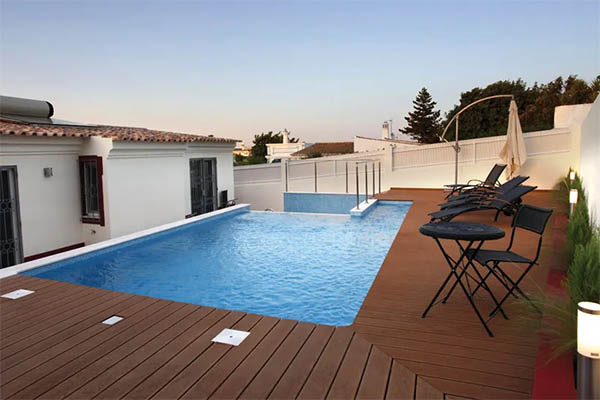
- Residential decks
- Villas and balconies
- Gardens and parks
- Commercial walkways
- Scenic areas
- Outdoor restaurants
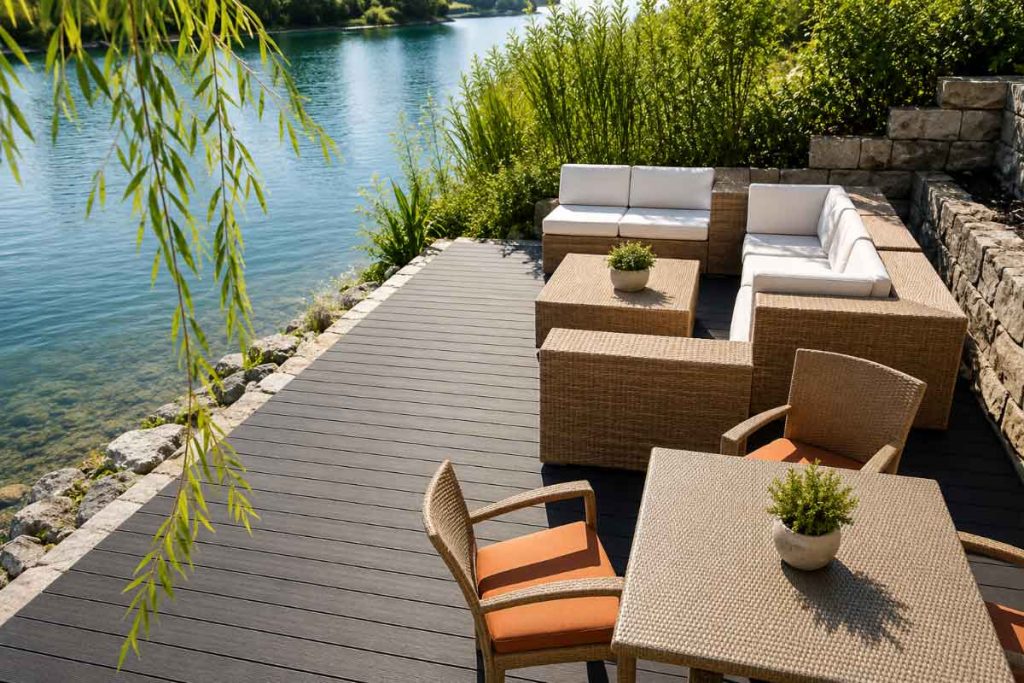
- Waterfront projects
Why Railing Design Matters
Many people only focus on color or price, but the railing design affects several important factors:
- Overall visual appearance
- Safety and stability
- Privacy level
- Cleaning difficulty
- Installation complexity
- Compatibility with decking style
- Long-term durability
A good railing design should match both the environment and the functional needs of the project.
Choose Based on Project Style
Modern Style Projects
For modern homes, rooftop terraces, hotels, and commercial buildings, simple and clean railing designs usually work best.
Recommended features:
- Straight horizontal lines
- Dark colors like charcoal or grey
- Aluminum and WPC mixed systems
- Minimalist structure
- Hidden fasteners
These designs create a clean and premium appearance while maintaining durability.
Natural Garden Style
For gardens, parks, and landscape projects, wood-like railing designs are more suitable.
Recommended features:
- Wood texture surface
- Warm brown or teak colors
- Traditional post-and-rail structure
- Embossed wood grain finish
This style blends better with outdoor plants and natural surroundings.
Commercial and Public Projects
Commercial areas usually require stronger and more practical railing systems.
Recommended features:
- Thicker posts
- Reinforced internal structure
- Easy maintenance surface
- Simple modular installation
- High weather resistance
Projects like scenic walkways, zoos, public platforms, and outdoor cafes often prefer durable and low-maintenance designs.
Consider the Environment
Coastal or Humid Areas
In humid or seaside environments, railing materials face more moisture and UV exposure.
Recommended choices:
- Co-extrusion WPC railing
- UV-resistant surface layer
- Waterproof design
- Darker colors for better aging appearance
Co-extruded railing generally performs better in harsh outdoor environments because the outer protective layer improves weather resistance.
High-Traffic Areas
For public spaces or commercial decks with heavy daily usage, focus on strength and maintenance.
Choose:
- Scratch-resistant surfaces
- Stable post structure
- Easy-to-clean design
- Anti-fading materials
Complicated decorative designs may collect dirt and become harder to maintain over time.
Choose the Right Railing Structure
Horizontal Railing Design
Horizontal railings look modern and visually open.
Advantages:
- Contemporary appearance
- Better view visibility
- Popular in luxury outdoor spaces
Best for:
- Rooftop decks
- Villas
- Hotels
- Modern balconies
Vertical Railing Design
Vertical railing is one of the most traditional and widely used options.
Advantages:
- Higher safety feeling
- Classic appearance
- Easier to match different architecture styles
Best for:
- Residential decks
- Family gardens
- Public projects
Full Privacy Railing
Some WPC railing systems are designed with closer spacing or panel-style structures for privacy.
Advantages:
- Better wind blocking
- More privacy
- Decorative appearance
Best for:
- Outdoor dining areas
- Villas
- Garden partitions
- Balcony separation
Match the Railing With Decking
A common mistake is choosing decking and railing separately without considering overall coordination.
For better visual consistency:
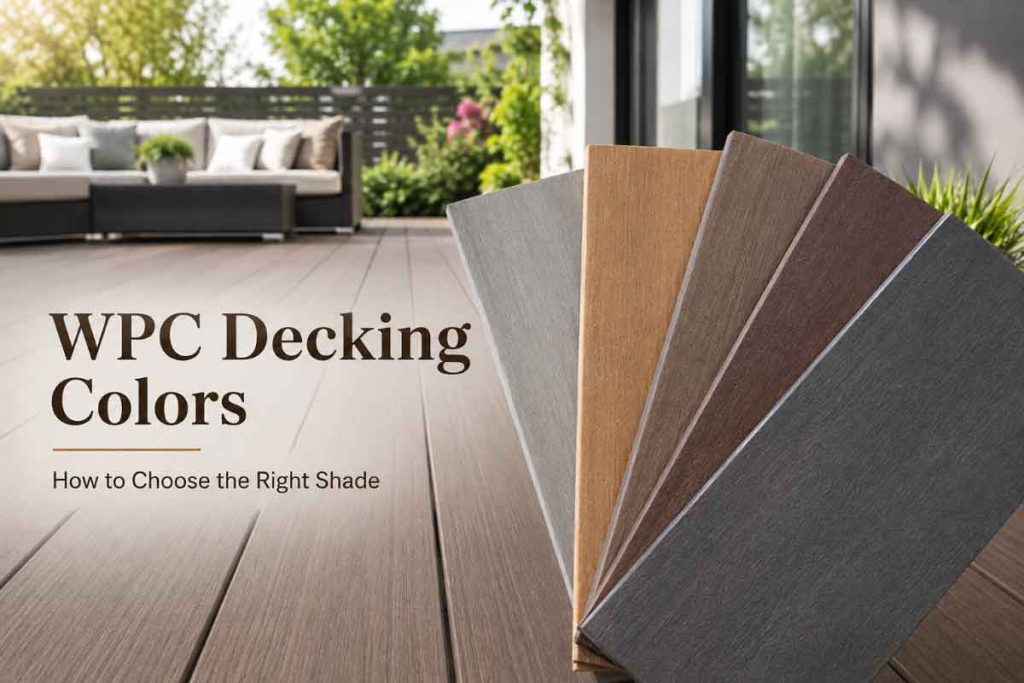
- Match railing color with decking tone
- Use similar surface textures
- Keep style consistent
- Avoid mixing too many colors
For example:
- Modern grey decking pairs well with black or dark grey railing
- Natural brown decking works well with teak or coffee railing
A coordinated design usually looks more professional and premium.
Consider Maintenance Requirements
Different railing designs have different cleaning difficulty.
Simple railing structures are easier to maintain because they:
- Collect less dust
- Reduce water accumulation
- Are easier to wash
- Require less long-term maintenance
Embossed textures may look more realistic but can trap more dirt compared with smoother surfaces.
For commercial projects, easy-clean designs are often the better long-term choice.
Pay Attention to Installation
Some decorative railing systems look attractive but increase installation difficulty and labor cost.
Before choosing a design, consider:
- Whether installation is modular
- Whether accessories are standardized
- Whether posts need internal metal reinforcement
- Whether the system supports quick assembly
Simple modular railing systems are usually preferred for large projects because they save installation time.
Choose the Right Color
Color selection affects both style and long-term appearance.
Popular Modern Colors
- Charcoal
- Dark grey
- Black
- Coffee
These colors usually look more premium and hide dirt better.
Popular Natural Colors
- Teak
- Walnut
- Redwood
- Light brown
These colors create a warmer and more natural outdoor atmosphere.
Safety Should Always Come First
Appearance is important, but railing safety is more critical.
A good WPC railing system should have:
- Strong post support
- Stable connection points
- Proper railing height
- Weather-resistant hardware
- Durable internal structure
For commercial or public projects, local safety standards should also be considered.
Common Mistakes When Choosing WPC Railing
Choosing Only by Price
Very low-cost railing systems may use lower-quality materials that fade, crack, or deform faster.
Ignoring Climate Conditions
Not all railing systems perform equally in strong sunlight, snow, or humid environments.
Overly Complex Designs
Complicated decorative designs may increase maintenance difficulty and installation cost.
Mismatched Decking and Railing
Different colors or styles can make the whole project look inconsistent.
Summary
The best WPC railing design is not simply the most expensive or the most decorative option. A good railing system should balance:
- Appearance
- Durability
- Safety
- Maintenance
- Installation efficiency
- Environmental suitability
For most outdoor projects, simple, durable, and weather-resistant designs usually provide the best long-term value.
When choosing WPC railing, always consider how the design will perform in real outdoor conditions, not only how it looks in product photos.