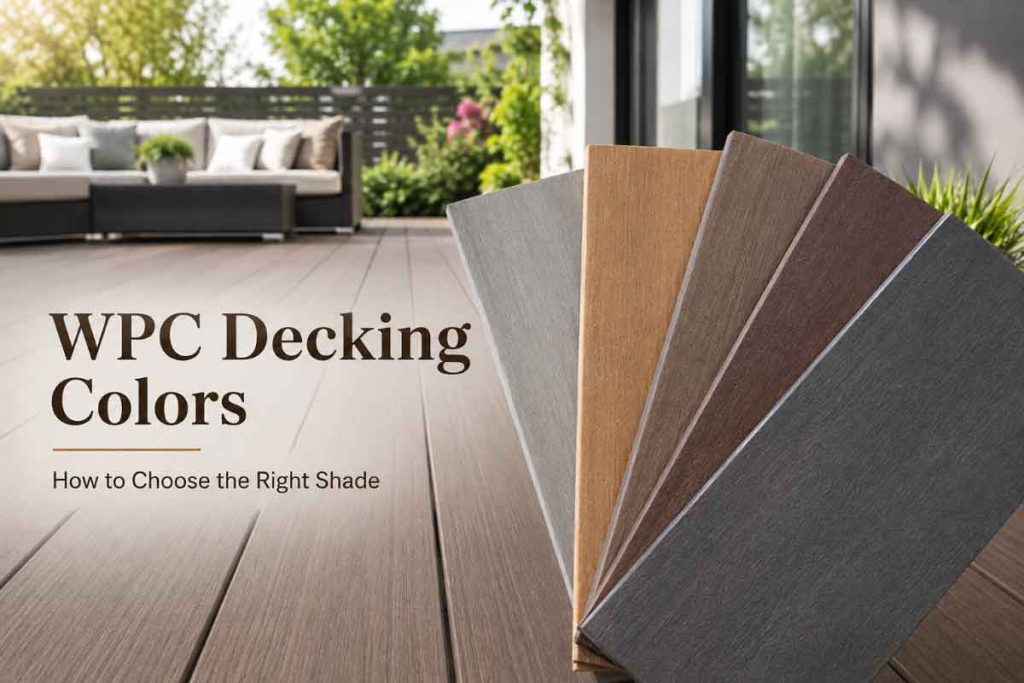
WPC wall panels are widely used in modern residential, commercial, and outdoor decoration projects. They provide a natural wood-like appearance while offering better moisture resistance, lower maintenance, and easier installation than many traditional wall materials.
For buyers, choosing the right WPC wall panel is not only about color or price. The panel type, size, thickness, surface design, installation environment, and project requirements all affect the final result. A suitable wall panel can improve the appearance of a space, reduce maintenance pressure, and provide better long-term performance.
This guide explains how to choose WPC wall panels by types, sizes, applications, and key buying factors.
What Are WPC Wall Panels?
WPC stands for wood plastic composite. WPC wall panels are made from wood powder, plastic materials, and functional additives. These materials are mixed and extruded into different panel profiles for wall decoration and cladding applications.
WPC wall panels are commonly used for:
- Interior wall decoration
- TV background walls
- Hotel and office decoration
- Commercial interior projects
- Balcony walls
- Exterior wall cladding
- Courtyard and villa decoration
- Ceiling and feature wall design
Compared with natural wood, WPC wall panels are less likely to rot, crack, or require frequent painting. Compared with ordinary PVC panels, they usually provide a warmer and more natural appearance.
Main Types of WPC Wall Panels
Different WPC wall panels are designed for different decoration effects and project environments. Before buying, it is important to understand the main types.
1. Standard WPC Wall Panels
Standard WPC wall panels are commonly used for regular wall decoration. They usually have a simple profile and are suitable for both residential and commercial spaces.
They are often used in:
- Living rooms
- Bedrooms
- Corridors
- Offices
- Reception areas
- Showrooms
- Hotel rooms
Standard wall panels are a good choice when the project needs a clean, modern, and cost-effective decorative wall solution.
2. Great Wall WPC Panels
Great Wall panels are a popular type of WPC wall panel with a more three-dimensional surface. Their raised and recessed lines create a stronger decorative effect than flat wall panels.
They are suitable for:
- TV background walls
- Sofa background walls
- Hotel lobbies
- Office reception walls
- Restaurant feature walls
- Commercial display areas
- Villa and courtyard decoration
Great Wall panels are often chosen when buyers want a more premium and layered appearance.
3. Co-Extruded WPC Wall Panels
Co-extruded WPC wall panels have an outer protective layer. This surface layer can improve color stability, stain resistance, and weather resistance.
They are especially suitable for projects that require better long-term performance, such as:
- Outdoor wall cladding
- Balcony walls
- Villa exterior walls
- Commercial exterior decoration
- Semi-outdoor areas
- High-end projects
Compared with traditional WPC panels, co-extruded wall panels usually cost more, but they can provide better surface protection and a longer-lasting appearance.
4. Indoor WPC Wall Panels
Indoor WPC wall panels focus more on decorative appearance, easy installation, and design flexibility. They are usually used in dry or normal indoor environments.
Common indoor applications include:
- Homes
- Hotels
- Offices
- Restaurants
- Shops
- Meeting rooms
- Corridors
- Ceilings
For indoor projects, buyers usually care more about color, texture, style, installation speed, and overall decoration effect.
5. Outdoor WPC Wall Panels
Outdoor WPC wall panels need stronger weather resistance than indoor panels. They are designed to handle sunlight, rain, humidity, wind, and temperature changes.
Outdoor applications include:
- Exterior wall cladding
- Villa facades
- Garden walls
- Courtyard walls
- Balcony walls
- Outdoor commercial walls
- Resort buildings
- Landscape projects
For outdoor use, buyers should choose outdoor-grade or co-extruded WPC wall panels, not ordinary indoor decorative panels.
Common Sizes of WPC Wall Panels
WPC wall panels come in different widths and thicknesses. The right size depends on the design style, installation area, wall height, budget, and required decorative effect.
Based on our product range, common WPC wall panel sizes include:
| Size | Type |
| 156 × 21 mm | WPC wall panel |
| 156 × 21 mm | WPC wall panel |
| 168 × 21 mm | WPC wall panel |
| 211 × 28 mm | Great Wall panel |
| 219 × 26 mm | First-generation Great Wall panel |
| 219 × 26 mm | Co-extruded Great Wall panel |
The length can be customized according to project requirements. This is useful for different wall heights, ceiling designs, commercial projects, and exterior cladding applications.
How to Choose the Right Size
Choosing the right size is important because it affects the final appearance, installation efficiency, and project cost.
1. Choose Narrower Panels for Flexible Decoration
Panels such as 156 × 21 mm and 168 × 21 mm are suitable for regular wall decoration. They are easier to arrange and can fit many residential and commercial spaces.
They are suitable for:
- Interior feature walls
- Corridors
- Bedrooms
- Office walls
- Small commercial spaces
- Ceiling decoration
These panels are a good choice when the project needs a clean and simple decorative effect.
2. Choose Wider or Thicker Panels for Stronger Visual Effect
Panels such as 211 × 28 mm and 219 × 26 mm create a stronger three-dimensional appearance. They are suitable for projects where the wall should become a visual focus.
They are commonly used for:
- TV background walls
- Hotel lobby walls
- Office reception walls
- Restaurant feature walls
- Villa decoration
- Commercial display walls
If the buyer wants a more premium and decorative look, Great Wall panels are usually a better choice.
3. Choose Custom Lengths for Project Fit
Since the panel length can be customized, buyers can choose a length that matches the wall height or project design. This helps reduce cutting waste and makes installation more efficient.
Custom length is useful for:
- Full-height wall decoration
- Hotel projects
- Office projects
- Exterior cladding
- Ceiling installation
- Large commercial spaces
Before ordering, buyers should confirm the wall size, installation direction, and cutting requirements.
Indoor vs Outdoor WPC Wall Panels
One of the most important buying decisions is whether the panel will be used indoors or outdoors.
Indoor WPC Wall Panels
Indoor panels are mainly used for decoration. They are suitable for dry or normal indoor environments and usually focus on design, color, and installation convenience.
They are suitable for:
- Living rooms
- Bedrooms
- Hotels
- Offices
- Restaurants
- Shops
- Corridors
- Ceilings
For indoor use, buyers should consider:
- Color matching
- Surface texture
- Fire rating requirements
- Installation method
- Cleaning convenience
- Design style
Outdoor WPC Wall Panels
Outdoor panels need better durability because they are exposed to weather conditions. They should have stronger moisture resistance, UV resistance, and color stability.
They are suitable for:
- Exterior walls
- Balconies
- Courtyards
- Villas
- Garden walls
- Outdoor commercial projects
For outdoor use, buyers should consider:
- Weather resistance
- UV resistance
- Expansion gaps
- Drainage
- Ventilation
- Installation accessories
- Surface protection
Indoor decorative panels should not be used outdoors unless the supplier clearly confirms that they are suitable for exterior use.
How to Choose the Right Surface Design
The surface design affects both appearance and maintenance.
Common surface styles include:
- Wood grain surface
- Grooved surface
- Great Wall profile
- Brushed texture
- Co-extruded surface
- Solid color design
For modern interiors, simple grooved panels and warm wood tones are often popular. For hotels, offices, and commercial spaces, darker wood tones, grey, walnut, and teak colors can create a more professional appearance.
For outdoor projects, the surface should not only look good but also resist weather exposure. Co-extruded panels are often a better option for exterior applications.
How to Choose WPC Wall Panels by Application
Different projects need different panel types.
For Home Decoration
For living rooms, bedrooms, and TV background walls, buyers can choose standard WPC wall panels or Great Wall panels. The main focus should be appearance, color, and easy installation.
Recommended options:
- 156 × 21 mm wall panels
- 168 × 21 mm wall panels
- 211 × 28 mm Great Wall panels
For Hotels and Offices
Hotels and offices need a more professional and consistent design. Great Wall panels and wider decorative profiles are often suitable for reception areas, corridors, and feature walls.
Recommended options:
- 211 × 28 mm Great Wall panels
- 219 × 26 mm Great Wall panels
- Co-extruded panels for higher-end areas
For Restaurants and Commercial Spaces
Restaurants, cafes, shops, and showrooms need attractive wall designs that are easy to clean and maintain. WPC wall panels can create a warm and modern commercial atmosphere.
Recommended options:
- Grooved WPC wall panels
- Great Wall panels
- Wood grain designs
- Dark or natural wood colors
For Exterior Walls and Balconies
For exterior walls, balconies, and semi-outdoor areas, buyers should choose outdoor-grade WPC wall panels or co-extruded wall panels.
Recommended options:
- Co-extruded Great Wall panels
- Outdoor WPC wall panels
- Panels with better UV and weather resistance
What to Check Before Buying WPC Wall Panels
Before placing an order, buyers should check more than just the price. A low price may not always mean better value.
Important points to check include:
1. Product Type
Confirm whether the product is a standard wall panel, Great Wall panel, indoor panel, outdoor panel, or co-extruded panel.
2. Size and Thickness
Check the width, thickness, weight, and length options. Make sure the size matches the wall design and installation method.
3. Application Environment
Confirm whether the panel will be used indoors, outdoors, or in a semi-outdoor space. This affects the required durability and surface protection.
4. Color and Surface Texture
Choose a color and texture that matches the project style. For large projects, request samples before confirming the final order.
5. Installation Method
Ask the supplier about installation accessories, clips, screws, frame requirements, cutting method, and expansion gaps.
6. Weather Resistance
For outdoor use, confirm UV resistance, moisture resistance, color stability, and recommended installation conditions.
7. Supplier Experience
Choose a supplier with experience in WPC wall panel production and export. A reliable supplier can provide product suggestions based on project needs.
8. Customization Options
Check whether the supplier can provide custom length, color options, packaging, and project support.
Common Buying Mistakes to Avoid
Many problems happen because buyers choose panels only by appearance or price. Here are some common mistakes to avoid:
- Using indoor panels for outdoor walls
- Ignoring product thickness and weight
- Choosing the wrong profile for the project style
- Not confirming installation accessories
- Forgetting expansion gaps for outdoor use
- Buying without checking samples
- Choosing only the cheapest option
- Not confirming custom length requirements
- Ignoring drainage and ventilation for exterior cladding
Avoiding these mistakes can help improve installation quality and long-term performance.
How to Buy WPC Wall Panels for B2B Projects
For distributors, contractors, and project buyers, the buying process should be more detailed than normal retail purchasing.
Before ordering, it is better to confirm:
- Project location
- Indoor or outdoor use
- Required quantity
- Wall height and total area
- Preferred panel size
- Surface color and texture
- Installation method
- Packaging requirements
- Delivery schedule
- Sample confirmation
- Long-term project needs
For large projects, buyers should request samples first and test the color, surface texture, and installation effect before bulk ordering.
Conclusion
Choosing the right WPC wall panels depends on product type, size, application environment, surface design, and project requirements. Standard WPC wall panels are suitable for regular indoor decoration, while Great Wall panels provide a stronger three-dimensional effect for feature walls and commercial spaces. For outdoor walls, balconies, and exterior cladding, outdoor-grade or co-extruded WPC wall panels are recommended.
Common sizes such as 156 × 21 mm, 168 × 21 mm, 211 × 28 mm, and 219 × 26 mm can meet different design needs, while customized lengths help reduce waste and improve installation efficiency.
For the best result, buyers should compare panel types, confirm indoor or outdoor use, check size and thickness, choose suitable surface designs, and work with an experienced WPC wall panel supplier. A well-selected WPC wall panel can provide an attractive, practical, and low-maintenance wall solution for residential, commercial, and outdoor projects.