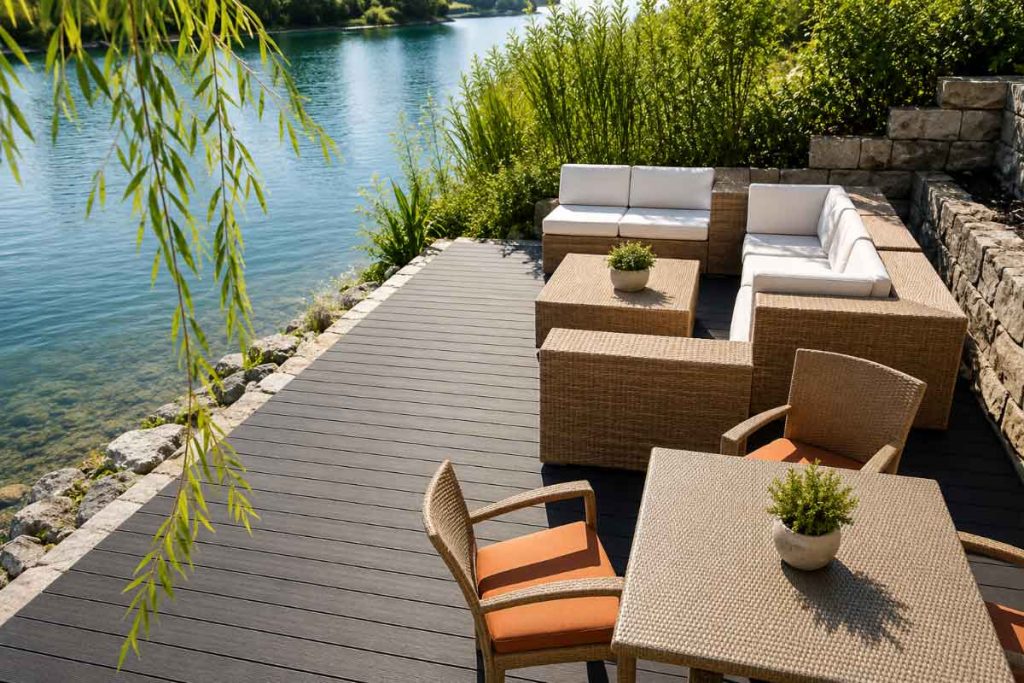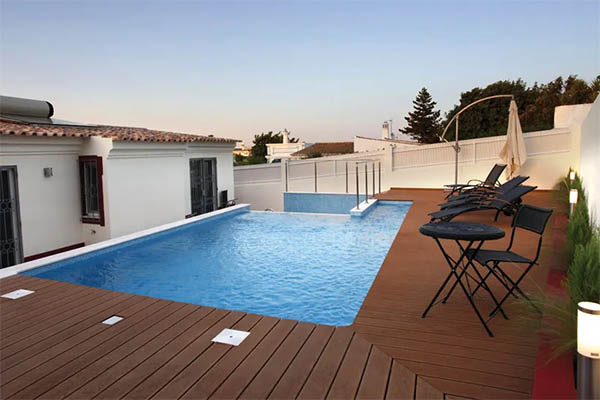
Outdoor decking is exposed to many environmental factors, including moisture, soil, leaves, sunlight, and insects. For traditional wood decking, pests and insects can become a serious problem if the material absorbs water, cracks, or begins to decay. Termites, ants, and other insects may damage wood structures over time, increasing maintenance costs and reducing service life.
WPC decking is different from natural wood. It is made from wood fiber, plastic, and additives, which gives it better resistance to moisture, insects, and outdoor weather conditions. Although WPC decking is not completely maintenance-free, it can help reduce many pest-related problems when compared with traditional wood decking.
This article explains why WPC decking is more resistant to pests and insects, what problems may still appear in outdoor environments, and how to protect WPC decking for long-term use.
Why Pest Prevention Matters for Outdoor Decking
Decking is often installed in gardens, balconies, poolside areas, parks, resorts, and commercial outdoor spaces. These areas may have plants, soil, grass, fallen leaves, and standing water nearby. Such environments can attract insects and small pests.
For wood decking, pests are a bigger concern because natural wood can absorb moisture and become softer over time. Once wood begins to rot, crack, or decay, it may attract termites and other insects. These insects can damage the structure and cause safety problems.
Common pest-related problems in outdoor decking include:
- Termite damage
- Ant nests near the deck
- Insects hiding under the boards
- Moisture-related decay
- Mold growth in poorly ventilated areas
- Dirt and organic waste accumulation
- Loose or damaged boards caused by long-term exposure
Good material selection, correct installation, and regular cleaning can greatly reduce these risks.
Why WPC Decking Is More Resistant to Insects Than Wood
WPC decking is not the same as natural timber. It combines wood fiber with plastic materials, so insects do not treat it like traditional wood. Termites and many wood-boring insects usually prefer natural wood because it is easier to consume and nest inside.
WPC decking has several advantages for pest prevention.
1. WPC Decking Is Not Easily Eaten by Termites
One of the main reasons buyers choose WPC decking is its better resistance to termites. Natural wood contains cellulose, which can attract termites. WPC also contains wood fiber, but the material is mixed with plastic and additives, making it much less attractive and harder for insects to damage.
This does not mean insects will never appear around a WPC deck. However, the decking board itself is much less likely to be eaten or destroyed like untreated wood.
For outdoor projects in humid or warm regions, this is an important advantage.
2. Better Moisture Resistance Helps Reduce Pest Problems
Moisture is one of the biggest reasons pests appear around decking. Wet wood can rot, soften, and create a suitable environment for insects. Once moisture stays under the deck for a long time, pests may gather in hidden areas.
WPC decking has better moisture resistance than traditional wood. It does not absorb water as easily, and it is less likely to rot or crack due to moisture. This helps reduce the conditions that often attract insects.
However, proper drainage is still important. Even with WPC decking, water should not stay under the deck for long periods.
3. Lower Risk of Cracking and Decay
Cracks in natural wood can become hiding places for insects. When wood expands, shrinks, or splits, insects can enter the material or nest in small openings.
WPC decking has better dimensional stability than many traditional wood decking materials. It is less likely to crack, split, or decay under normal outdoor use. This helps reduce the small gaps and damaged areas where insects may stay.
For long-term outdoor flooring projects, this can lower maintenance pressure.
4. Easier Cleaning Reduces Insect Attraction
Insects are often attracted by food waste, fallen leaves, dust, soil, and organic matter. If a deck is not cleaned regularly, these materials may build up between boards or under the deck.
WPC decking is easy to clean. In most cases, regular sweeping and washing with water are enough to remove dust, leaves, and dirt. A cleaner deck surface means fewer places for insects to hide or gather.
This is especially useful for:
- Garden decking
- Restaurant outdoor areas
- Poolside decks
- Balcony decking
- Park walkways
- Resort flooring
- BBQ areas
Common Places Where Pests May Appear Around WPC Decking
Although WPC decking is more resistant to insects than wood, pests may still appear in the surrounding environment. The problem is usually not the WPC board itself, but the space around or under the deck.
Common risk areas include:
- Spaces under the decking boards
- Corners with poor ventilation
- Areas with fallen leaves
- Soil directly touching the deck structure
- Gaps near walls or garden beds
- Places with standing water
- Food waste left on outdoor decks
- Poorly drained installation areas
For this reason, buyers should not only choose good decking material, but also pay attention to installation and maintenance.
How to Protect WPC Decking From Pests and Insects
1. Keep the Deck Surface Clean
Regular cleaning is the simplest way to reduce pests. Leaves, food waste, dust, and soil can attract insects if they stay on the deck for a long time.
For daily maintenance, you can:
- Sweep the surface regularly
- Remove fallen leaves quickly
- Clean food and drink spills
- Wash the surface with water
- Use mild detergent when necessary
- Avoid leaving organic waste on the deck
For restaurants, gardens, and public outdoor areas, cleaning frequency should be higher because there is more foot traffic and more waste.
2. Ensure Good Drainage
Standing water can attract insects and increase moisture under the deck. Even though WPC decking has good water resistance, long-term water accumulation is still not recommended.
During installation, make sure the deck has proper drainage. Water should be able to flow away from the surface and the substructure.
Good drainage can help prevent:
- Mold growth
- Bad smell
- Insect gathering
- Moisture buildup
- Dirt accumulation under the deck
This is especially important for poolside areas, garden decks, and rainy regions.
3. Leave Proper Gaps Between Boards
WPC decking needs proper gaps between boards for drainage, ventilation, and thermal expansion. If the gaps are too small, water and dirt may stay between the boards. If the gaps are too large, insects and debris may enter more easily.
A suitable gap helps the deck stay clean, dry, and stable. The exact spacing should follow the supplier’s installation guide.
For B2B projects, contractors should confirm the recommended board spacing before installation.
4. Improve Ventilation Under the Deck
Poor ventilation can make the space under the deck damp and dark, which may attract insects. A well-ventilated substructure helps moisture evaporate faster and keeps the deck environment healthier.
When installing WPC decking, make sure there is enough airflow under the boards. Avoid closing the bottom area completely without ventilation.
Good ventilation is important for:
- Garden platforms
- Raised decks
- Balcony decking
- Poolside decks
- Commercial walkways
- Outdoor leisure areas
5. Avoid Direct Contact With Soil
If decking boards or joists are in direct contact with soil, moisture and pests may become more likely. Soil can hold water and organic matter, creating a better environment for insects.
The deck structure should be installed above a stable base, with proper support and drainage. If the deck is installed near a garden bed or lawn, try to keep soil and plants from pressing directly against the decking system.
This can help extend the service life of the deck and reduce pest problems.
6. Check the Substructure Regularly
The surface board is only one part of the decking system. The joists, clips, screws, and support structure also affect long-term performance.
If the substructure becomes loose, damp, or blocked by debris, pests may appear around it. Regular inspection helps find problems early.
Check these areas:
- Joists
- Clips and screws
- Board gaps
- Drainage channels
- Corners near walls
- Areas under the deck
- Places near plants or soil
If there is too much dirt or leaves under the deck, clean them as soon as possible.
7. Control Plants Around the Deck
Plants make outdoor spaces more beautiful, but overgrown plants can create damp and shaded areas. These conditions may attract insects.
Keep plants and shrubs at a reasonable distance from the deck. Trim branches, remove dead leaves, and avoid letting soil or plant roots press directly against the decking boards.
For garden projects, this simple step can improve both appearance and pest prevention.
8. Clean Food Waste in Outdoor Dining Areas
If WPC decking is used in restaurants, BBQ areas, resorts, or outdoor dining spaces, food waste can attract ants and other insects. The decking material itself may resist insect damage, but insects can still come for food.
For commercial outdoor spaces, regular cleaning is very important. Staff should remove food waste, clean grease stains, and wash the floor surface when needed.
This helps maintain a cleaner and more professional outdoor environment.
WPC Decking vs Wood Decking for Pest Resistance
Compared with traditional wood decking, WPC decking has clear advantages in pest resistance and maintenance.
Wood decking may require anti-termite treatment, painting, sealing, or regular repairs. If maintenance is not done properly, wood may crack, rot, or become a food source for insects.
WPC decking is more stable for outdoor use. It does not need painting or anti-corrosion treatment in the same way as wood. It also has better resistance to moisture and insect damage.
For buyers who want lower maintenance and longer outdoor service life, WPC decking is usually a more practical choice.
Is WPC Decking Completely Pest-Proof?
WPC decking is more resistant to insects than natural wood, but it should not be described as completely pest-proof in every situation. Insects may still appear in the surrounding environment if the deck is dirty, wet, poorly ventilated, or close to soil and plants.
The correct understanding is:
WPC decking helps reduce pest-related risks, but good installation and regular cleaning are still necessary.
This is a more accurate and professional way to explain the product to customers.
Where Pest-Resistant WPC Decking Is Suitable
WPC decking is suitable for many outdoor areas where moisture and insects may be a concern, such as:
- Garden decks
- Poolside areas
- Courtyards
- Balconies
- Parks
- Resorts
- Outdoor restaurants
- BBQ areas
- Commercial walkways
- Public landscape projects
- Residential outdoor flooring
For humid, rainy, or warm regions, WPC decking can be especially useful because it reduces many of the common problems found in natural wood decking.
How Buyers Should Choose WPC Decking for Better Pest Prevention
When choosing WPC decking, buyers should not only look at color and price. Material quality, board structure, installation accessories, and supplier support are also important.
Before purchasing, consider:
- Board material and formulation
- Hollow or solid structure
- Surface texture
- Moisture resistance
- Recommended joist spacing
- Installation clips and screws
- Drainage requirements
- Warranty and supplier guidance
- Export experience
- Project application
For large projects, it is better to ask the supplier for installation guidance and samples before placing an order.
Conclusion
WPC decking is a practical outdoor flooring material for reducing pest and insect problems. Compared with traditional wood decking, it offers better resistance to moisture, termites, cracking, and decay. This makes it suitable for gardens, poolside areas, balconies, resorts, restaurants, and commercial outdoor projects.
However, pest prevention does not depend on material alone. Proper drainage, good ventilation, regular cleaning, correct board spacing, and careful control of plants and soil around the deck are also important.
By choosing high-quality WPC decking and maintaining it properly, buyers can create a cleaner, safer, and longer-lasting outdoor deck with fewer pest-related problems.