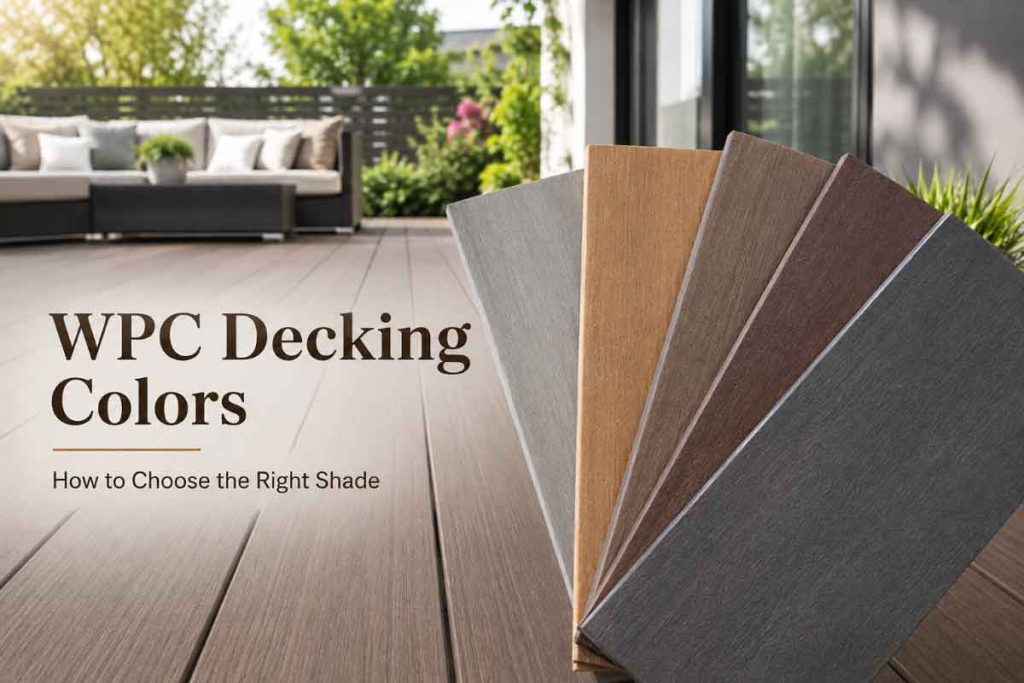
Wood-Plastic Composite (WPC) thin boards are an innovative material made from a blend of wood fibers and plastic. This material combines the natural beauty of wood with the durability and versatility of plastic, making it a popular choice in construction and home decoration. This article will introduce the material, its dimensions, uses, and application scenarios in detail.
Material: The Advantages of Wood-Plastic Composite
WPC thin boards are made from a composite of wood fibers and plastics, such as polyethylene or polypropylene. The wood fibers are derived from wood, bamboo, or other plants, and are processed and combined with plastic. This blend combines the aesthetic qualities of wood with the functional advantages of plastic, providing the following benefits:
- Durability: WPC thin boards are highly resistant to UV rays and weathering, ensuring long-lasting performance without fading or warping.
- Water Resistance: Unlike traditional wood, WPC thin boards are highly water-resistant, making them ideal for use in damp environments.
- Eco-Friendly: Made from recyclable plastic and natural wood fibers, WPC thin boards are an environmentally friendly choice, as both the material and the production process are sustainable.
- Corrosion Resistance: WPC thin boards are resistant to water, oil, and chemicals, giving them a longer lifespan compared to other materials.
Dimensions: Versatile and Customizable
The dimensions of WPC thin boards are flexible and can be customized based on specific needs. Common dimensions include:
- Thickness: Most WPC thin boards range from 5mm to 15mm in thickness, with common options being 6mm, 8mm, or 10mm. This thickness ensures both strength and ease of installation.
- Length: The length of WPC thin boards generally ranges from 600mm to 1200mm. They can be cut to custom lengths depending on the installation requirements.
- Width: The width typically ranges from 100mm to 300mm, allowing flexibility for different applications and designs.
These sizes can meet standard installation needs or be adjusted for specific design projects.
Uses: Multifunctional Building and Home Material
The unique properties of WPC thin boards make them suitable for a wide range of applications, including:
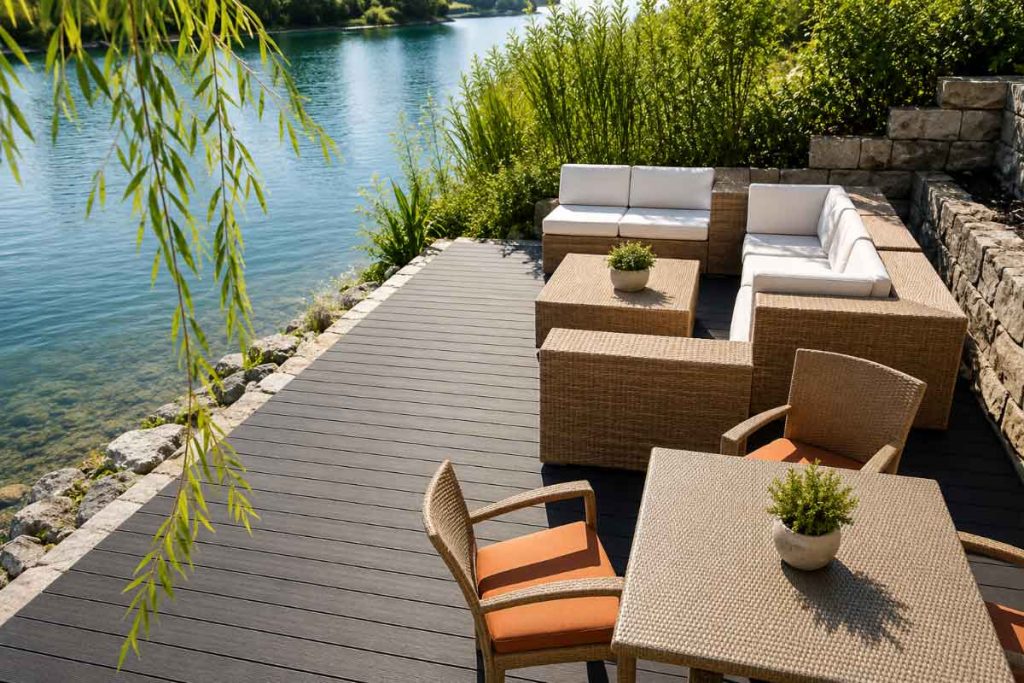
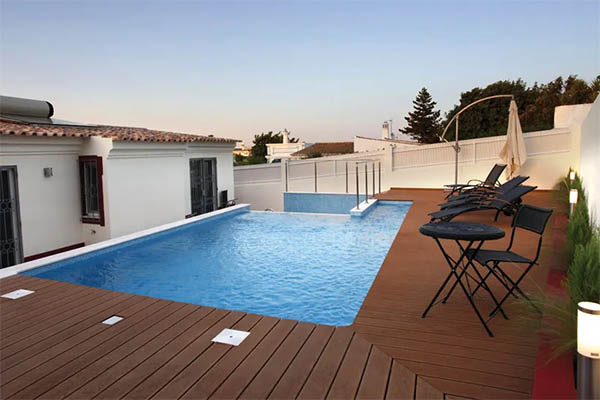
- Flooring: WPC thin boards are commonly used for flooring in both indoor and outdoor spaces, especially for terraces, balconies, gardens, and patios. Their water and corrosion resistance make them an ideal material for outdoor environments.
- Wall Decoration: These boards are also used for indoor wall cladding, especially in areas like bathrooms, kitchens, and corridors, thanks to their resistance to humidity and ease of cleaning.
- Furniture Manufacturing: Lightweight and durable, WPC thin boards are used for the surface of furniture such as tables, bookshelves, and cabinets.
- Partitions and Screens: Due to their unique aesthetic, WPC thin boards are often used as partitions or screens, providing both privacy and visual appeal in interiors.
Application Scenarios: From Homes to Commercial Spaces
The versatility of WPC thin boards makes them applicable in various environments, including:
- Residential Spaces: WPC thin boards are ideal for use in balconies, terraces, gardens, kitchens, and bathrooms. Their water resistance and ease of maintenance make them perfect for both indoor and outdoor use, particularly in humid areas like bathrooms.
- Commercial Buildings: In hotels, shopping malls, offices, and other commercial spaces, WPC thin boards are used for wall and floor decoration. Their ability to withstand high traffic makes them a great choice for high-use areas.
- Public Spaces: WPC thin boards are often used in parks, tourist attractions, and zoos, where their ability to resist harsh weather conditions and maintain visual appeal is crucial.
- DIY Projects: Due to their customizable sizes and ease of cutting, WPC thin boards are a favorite material among DIY enthusiasts. Whether for small construction projects or home renovations, these boards provide an easy solution for various design needs.
Conclusion
WPC thin boards are an innovative material that combines the natural beauty of wood with the durability and functionality of plastic. Their strength, eco-friendliness, and ease of maintenance make them a popular choice for a wide range of applications, from flooring and wall cladding to furniture and partitions. As demand for sustainable materials grows, WPC thin boards will continue to play a vital role in the future of construction and interior design.