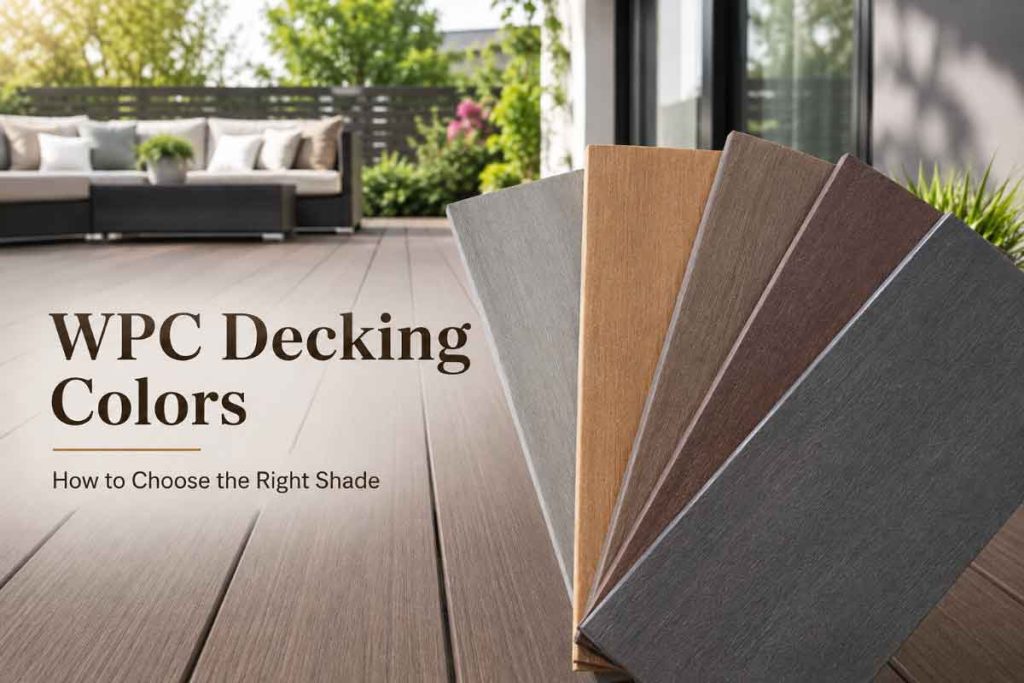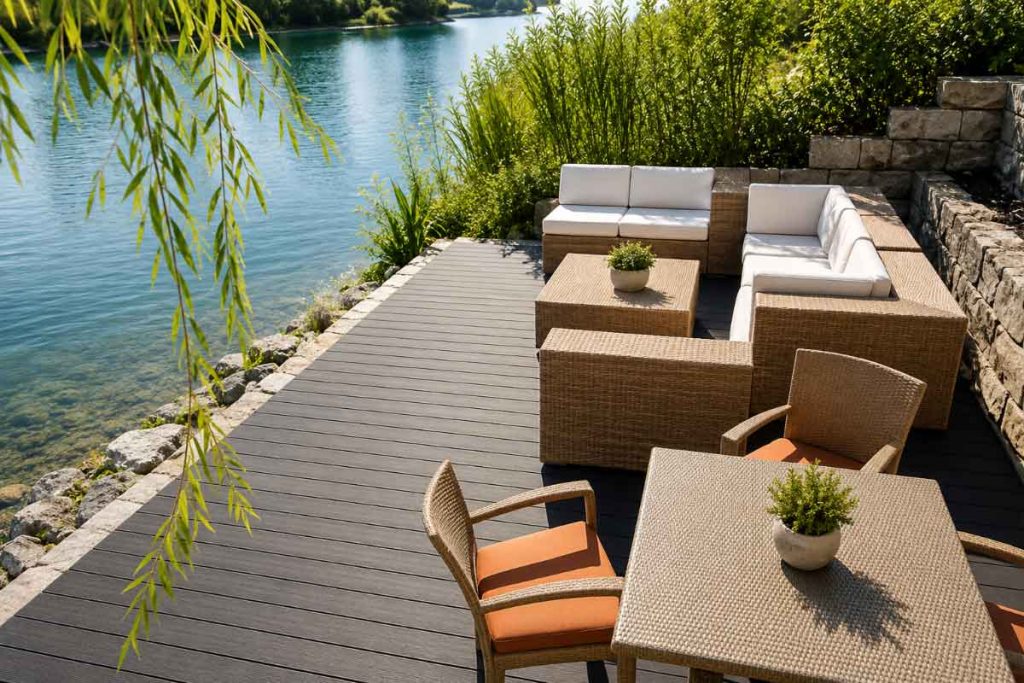
When choosing materials for outdoor decks, buyers often compare different options such as wood, composite decking and plastic decking.
Plastic decking has become increasingly popular because it offers advantages such as moisture resistance, easy maintenance and long outdoor performance.
However, like any decking material, plastic decking also has some limitations that should be considered before purchasing.
So, is plastic decking worth choosing?
This guide explains the main plastic decking pros and cons to help homeowners, contractors and distributors make a better decision.
What Is Plastic Decking?
Plastic decking refers to outdoor decking boards made mainly from polymer materials.
Unlike traditional wood decking, plastic decking does not rely on natural timber as the primary structural component.
Common materials used in plastic decking may include:
- HDPE (High-Density Polyethylene)
- PVC (Polyvinyl Chloride)
- Other engineered polymer materials
Some plastic decking products are designed as solid boards, while others use internal structures to reduce weight and material usage.
Modern plastic decking is commonly used for:
- Patios
- Balconies
- Garden areas
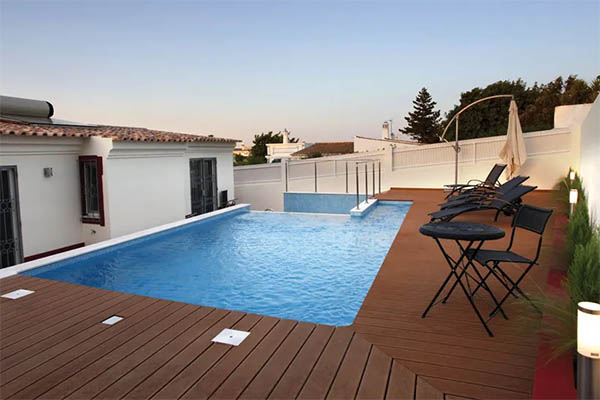
- Pool surroundings
- Commercial outdoor spaces
Depending on the manufacturing process, plastic decking can have different:
- Surface textures
- Colors
- Profiles
- Thicknesses
- Installation systems
Advantages of Plastic Decking
1. Excellent Moisture Resistance
One of the biggest advantages of plastic decking is its resistance to moisture.
Traditional wood decking can absorb water over time, which may lead to:
- Swelling
- Cracking
- Rot
- Structural deterioration
Plastic decking does not absorb water in the same way as natural wood.
This makes it suitable for outdoor environments exposed to:
- Rain
- Humidity
- Pool water
- Coastal conditions
For areas where moisture is a constant concern, plastic decking can provide a practical solution.
2. Low Maintenance Requirements
Plastic decking requires less routine maintenance compared with traditional timber decking.
Wood decking often requires:
- Regular staining
- Sealing
- Painting
- Surface protection treatments
Plastic decking generally does not require these treatments to maintain its basic performance.
Routine maintenance usually includes:
- Removing dirt and debris
- Cleaning stains
- Washing the surface with suitable cleaners
This can help reduce long-term maintenance time and cost.
3. Resistant to Rot and Insects
Because plastic decking does not provide a natural food source for insects, it is generally resistant to problems commonly associated with wood.
Compared with traditional timber decking, plastic decking is less affected by:
- Wood rot
- Termite damage
- Fungal decay
This can be especially beneficial in warm and humid regions where insect activity and moisture exposure are higher.
4. Long Outdoor Service Performance
High-quality plastic decking is designed for outdoor applications.
Its performance depends on factors such as:
- Material quality
- UV stabilizers
- Manufacturing process
- Installation method
- Climate conditions
A well-designed plastic decking system can maintain its function for many years when properly installed and maintained.
However, buyers should always evaluate the specific product specifications instead of assuming all plastic decking has the same lifespan.
5. Easy Cleaning
Plastic decking surfaces are generally easy to clean.
Common maintenance methods include:
- Sweeping loose debris
- Washing with water
- Using mild cleaning solutions for stains
Because the material does not require regular coatings like timber, cleaning is usually simpler.
This makes plastic decking attractive for:
- Residential patios
- Pool areas
- Restaurants
- Public outdoor spaces
6. Wide Range of Colors and Designs
Modern plastic decking is available in various styles.
Manufacturers can provide options including:
- Wood-look surfaces
- Embossed textures
- Different colors
- Different board profiles
This allows designers and buyers to choose products that match different outdoor environments.
Disadvantages of Plastic Decking
Although plastic decking has many benefits, it also has some limitations.
Understanding these disadvantages is important before making a purchasing decision.
1. Plastic Appearance May Not Fully Match Natural Wood
One common concern is appearance.
Natural wood has unique:
- Grain patterns
- Color variation
- Texture changes
Plastic decking can imitate wood appearance, but some products may not achieve the same natural feeling as real timber.
For buyers who prioritize authentic wood aesthetics, this is an important consideration.
However, modern manufacturing technologies have improved significantly.
Surface technologies such as:
- Embossed grain
- Textured finishes
- Multi-color effects
can create more realistic appearances.
2. Thermal Expansion and Heat Absorption
Plastic materials expand and contract with temperature changes.
Outdoor plastic decking installation needs to consider:
- Expansion gaps
- Proper fixing methods
- Suitable installation spacing
In hot climates, darker-colored decking surfaces may become warmer under direct sunlight.
For high-temperature regions, buyers should consider:
- Color selection
- Surface design
- Ventilation
- Installation method
3. Initial Cost Can Be Higher Than Some Wood Options
The initial purchase price of plastic decking may be higher than some traditional wood decking options.
However, the total cost should include long-term factors such as:
- Maintenance
- Replacement frequency
- Treatment costs
- Labor
A lower initial price does not always mean a lower lifetime cost.
4. Quality Differences Between Manufacturers
Not all plastic decking products are the same.
Performance can vary depending on:
- Raw material quality
- Polymer formulation
- UV protection
- Production technology
- Quality control
Low-quality products may have issues such as:
- Poor color stability
- Surface problems
- Lower durability
Therefore, buyers should evaluate suppliers carefully.
5. Environmental Considerations
Plastic decking uses polymer materials, which means buyers should consider material sourcing and lifecycle factors.
Some manufacturers use:
- Recycled polymers
- Reprocessed materials
- More efficient production methods
However, environmental performance depends on the specific product and manufacturing system.
Buyers should ask suppliers about:
- Material composition
- Recycled content
- Product documentation
- End-of-life options
Plastic Decking vs Composite Decking
Plastic decking and composite decking are often compared because both are alternatives to traditional wood decking.
The main difference is the material structure.
| Feature | Plastic Decking | Composite Decking |
|---|---|---|
| Main Material | Polymer-based | Wood fiber + polymer |
| Moisture Resistance | Excellent | Excellent |
| Wood Appearance | Depends on surface | Usually more wood-like |
| Maintenance | Low | Low |
| Natural Material Content | Usually lower | Contains wood-based material |
| Surface Options | Various | Wide range of wood textures |
Neither material is automatically better.
The best choice depends on:
- Project location
- Appearance requirements
- Budget
- Performance expectations
Is Plastic Decking Worth Choosing?
Plastic decking can be a good choice for buyers who need:
- High moisture resistance
- Low maintenance
- Outdoor durability
- Easy cleaning
- Resistance to rot and insects
However, buyers should also consider:
- Appearance expectations
- Climate conditions
- Installation requirements
- Product quality
- Budget
For many outdoor applications, plastic decking provides a practical balance between performance and maintenance.
What Should Buyers Check Before Buying Plastic Decking?
Before placing an order, buyers should evaluate:
Material Information
Ask about:
- Main polymer type
- Material composition
- UV protection
- Product specifications
Board Structure
Check:
- Solid or hollow profile
- Thickness
- Weight
- Installation system
Surface Quality
Consider:
- Texture
- Color stability
- Slip resistance
- Scratch resistance
Supplier Capability
For wholesale buyers, check:
- Factory experience
- Production capacity
- Sample availability
- OEM capability
- Quality inspection process
Frequently Asked Questions
Is plastic decking better than wood?
Plastic decking has advantages such as moisture resistance and lower maintenance, while wood provides a more natural appearance. The better option depends on project requirements.
Does plastic decking rot?
No. Plastic decking does not rot like traditional wood because it does not contain natural timber that can decay.
How long does plastic decking last?
The lifespan depends on material quality, UV protection, installation and environmental conditions. Different products may have different service performance.
Does plastic decking fade?
Some color changes may occur after long-term outdoor exposure. Products with UV stabilizers generally provide better color retention.
Can plastic decking be used around pools?
Yes. Plastic decking is commonly used around pools because of its moisture resistance and easy cleaning characteristics.
Is plastic decking slippery when wet?
Slip resistance depends on the surface texture and product design. Buyers should check manufacturer testing and choose suitable surfaces for wet areas.
Does plastic decking need sealing?
Generally, plastic decking does not require regular sealing like traditional wood decking.
Conclusion
Plastic decking offers several advantages, including moisture resistance, low maintenance, easy cleaning and resistance to rot.
However, it also has limitations related to appearance, thermal movement, initial cost and material considerations.
For buyers, the best choice is not simply the cheapest decking option. It is the product that matches the project requirements, climate conditions and expected service life.
By understanding the pros and cons of plastic decking, buyers can make a more confident decision when selecting outdoor decking materials.