

Paint can stain wood floors, and different paint colors can turn the wood floors into different colors. So what about wood-plastic composite (WPC) decking? Will it turn the color of paint if it’s soaked in it?
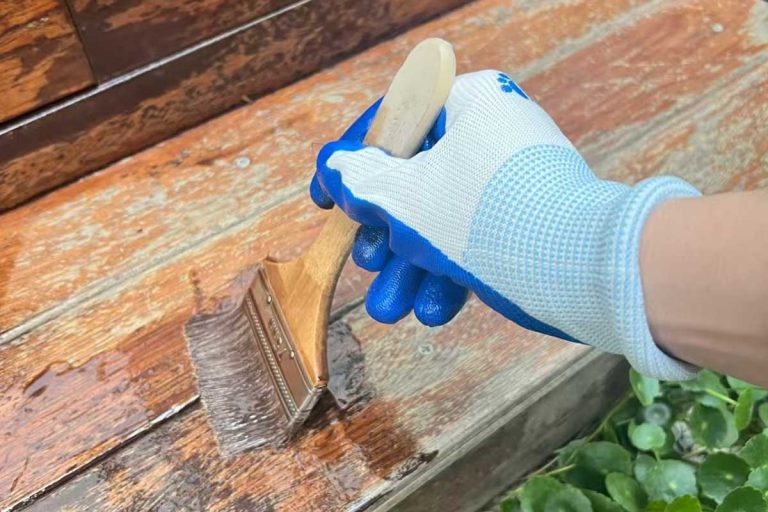
As we all known, wood-plastic composite decking made by pressing wood powder and plastic powder together. Due to its structural characteristics, its surface is different from that of wood flooring. It is very smooth, so paint is more difficult for wood-plastic composite flooring to absorb.

However, if the paint color is very bright, some may adhere to the surface of the wood-plastic composite flooring, especially if the paint is not completely dry or the coating is thick. Even so, the penetration ability of paint pigments is generally still relatively low.
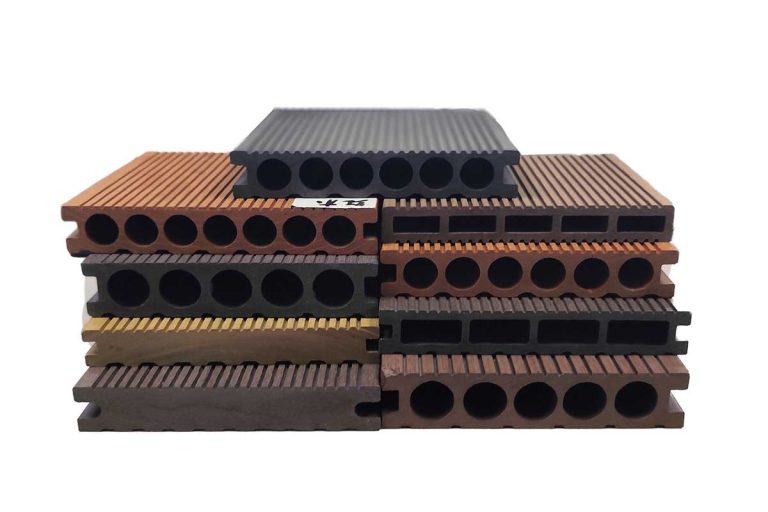
WPC Decking Reactions to Paint:
Surface Absorption: The pressing and processing of WPC flooring surfaces make them smoother, which means they generally don’t absorb as much paint as solid wood flooring. However, if you use a very bright color, the paint may adhere to the surface, especially if it isn’t completely dry or if the coating is thick. Still, the paint’s pigment penetration ability remains low.
Color Retention: The plastic components in WPC flooring (such as polyethylene or polypropylene) don’t absorb liquids as easily as wood, so bright paint forms a coating on the surface instead of soaking in. Even with a bright color, the paint will likely stay on the surface and not penetrate deep into the WPC.
Cleaning and Maintenance: Since the paint usually doesn’t penetrate, cleaning is simple. You can wipe off most paint with water or detergent without leaving permanent color marks—unless the paint has been on the surface for too long or the coating is too thick.
Conclusion
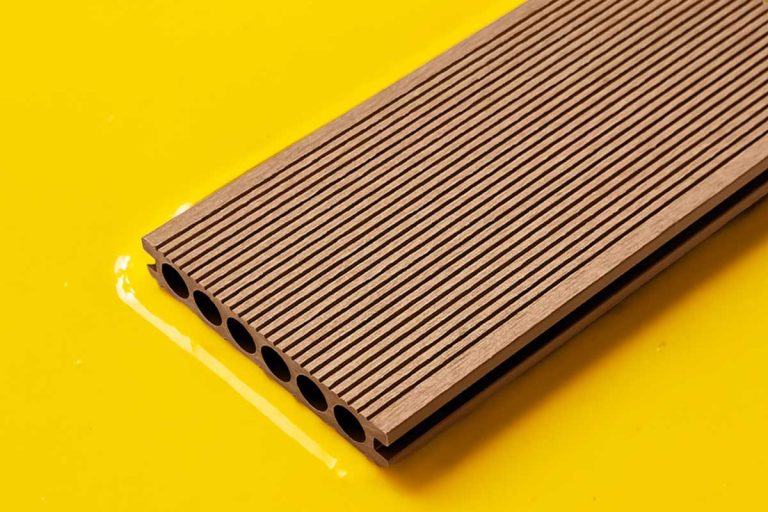
WPC decking is unlikely to absorb pigments from bright paints because its plastic components make its surface relatively non-absorbent. However, if paint remains on the surface for an extended period, temporary color marks may remain, but these can usually be removed by cleaning. Therefore, this type of issue will not cause long-term color penetration or damage in practical use.


