1. Definition of Composite Decking
Composite decking, also known as wood-plastic composite (WPC) decking, is a new type of eco-friendly building material. It is made by mixing wood powder, wood fibers, or bamboo powder with thermoplastic plastics (such as PE, PP, or PVC) at high temperatures, then adding functional additives like UV stabilizers, flame retardants, and colorants, and forming the mixture through extrusion or molding processes.
2. Material Composition
- Wood components: wood powder, wood fibers, bamboo powder; provide texture and structural support.
- Plastic components: PE, PP, PVC; provide waterproofing, anti-corrosion, and durability.
- Additives: UV stabilizers, flame retardants, pigments; enhance functionality.
- Proportions: typically 50%-70% wood, 30%-50% plastic, 5%-10% additives.
Composite combinations: which wood and plastic materials can be combined
3. Materials Used for Composite Board
3.1 Wood materials
These natural fibers or powders can be used as wood components:
- Wood powder: the most common, sourced from sawdust or wood shavings.
- Wood fibers: fibrous wood material that strengthens the structure.
- Bamboo powder/fibers: high hardness, commonly used in high-strength boards.
- Agricultural by-product fibers: such as rice husk powder, coconut shell powder, or cotton stalk powder; improve eco-friendliness.
3.2 Plastic materials
Common thermoplastics that can melt at high temperatures and encapsulate wood powder:
- PE (Polyethylene): most common, flexible, low-cost.
- HDPE (High-Density Polyethylene): higher strength, often used outdoors.
- PP (Polypropylene): heat-resistant and chemically resistant.
- PVC (Polyvinyl Chloride): hard, weather-resistant, suitable for hollow profiles.
3.3 Possible composite combinations
- Wood powder/wood fibers + PE/HDPE: the most common WPC, balancing strength and cost.
- Bamboo fibers + PP: heat-resistant and wear-resistant, suitable for tropical or high-strength applications.
- Wood powder + PVC: high hardness, appearance close to natural wood, ideal for outdoor decking with fine textures.
- Rice husk/coconut shell powder + PE/PP: eco-friendly composite decking, using agricultural waste for sustainability.
4. Features and Selection Tips of Composite Decking
4.1 Weather Resistance (Waterproof / Anti-Corrosion / Anti-Termite)
- Definition & Cause: Composite decking is made by mixing wood powder or fibers with thermoplastic plastics. The plastic matrix seals the pores of the wood fibers, preventing water absorption and swelling. The plastic itself is corrosion-resistant and moisture-resistant, giving the decking excellent outdoor weather resistance.
- Performance: Resistant to mold, rot, and insect damage even under prolonged exposure to rain, snow, humidity, and UV light. Dimensions are more stable than natural wood.
- Quality Indicators: Check water absorption, expansion rate, UV resistance tests, and manufacturer-provided aging test reports.
- Selection Tips: High-density or “solid” profiles with UV stabilizers and good surface capping (capped/co-extruded) have better weather resistance. Confirm warranty period and suitable environments (coastal, poolside, humid climates).
4.2 Anti-Slip and Wear-Resistant (For High-Traffic Outdoor Areas)
- Definition & Cause: Surface is treated with embossing, grooves, sanding, or coatings to increase friction; material hardness, density, and surface layer determine wear resistance.
- Performance: Maintains friction in wet environments (poolside, balcony), reducing slip risk; resists visible wear from foot traffic and furniture.
- Quality Indicators: Check surface wear grade (manufacturer or third-party test), texture style, and depth.
- Usage & Maintenance: Anti-slip performance may slightly decrease with dirt accumulation; clean regularly with soft brush and neutral detergent; avoid strong acids or alkalis. Use protective pads under sharp or heavy furniture to prevent accelerated wear.
4.3 Eco-Friendly (Resource Reuse & Sustainability)
- Definition & Cause: Composite decking can be made using industrial wood waste, bamboo powder, agricultural by-products, and recycled plastics, reducing natural wood consumption.
- Performance: Many manufacturers use a certain percentage of recycled plastic and repurpose wood waste into valuable products.
- Quality Indicators: Request raw material ratios, recycling content, and environmental tests (formaldehyde, VOCs, heavy metals).
- Selection Tips: Prefer brands with eco-certifications or testing reports; for projects emphasizing sustainability, choose products with higher recycled material content and low VOC declaration.
4.4 Easy Maintenance (Low Maintenance Cost)
- Definition & Cause: Composite materials do not require frequent oiling, painting, or anti-corrosion treatment like solid wood. Surface weather resistance and waterproofing reduce maintenance frequency.
- Performance: Clean with water or neutral detergent; no regular waxing, painting, or special care needed.
- Maintenance Tips: Avoid prolonged accumulation of leaves, debris, and mud; clean drainage regularly. Treat local stains or oil spots per manufacturer’s instructions.
- Repair Tips: Local damage can usually be fixed by replacing individual boards. Using removable fixing methods (hidden clips) reduces future maintenance cost.
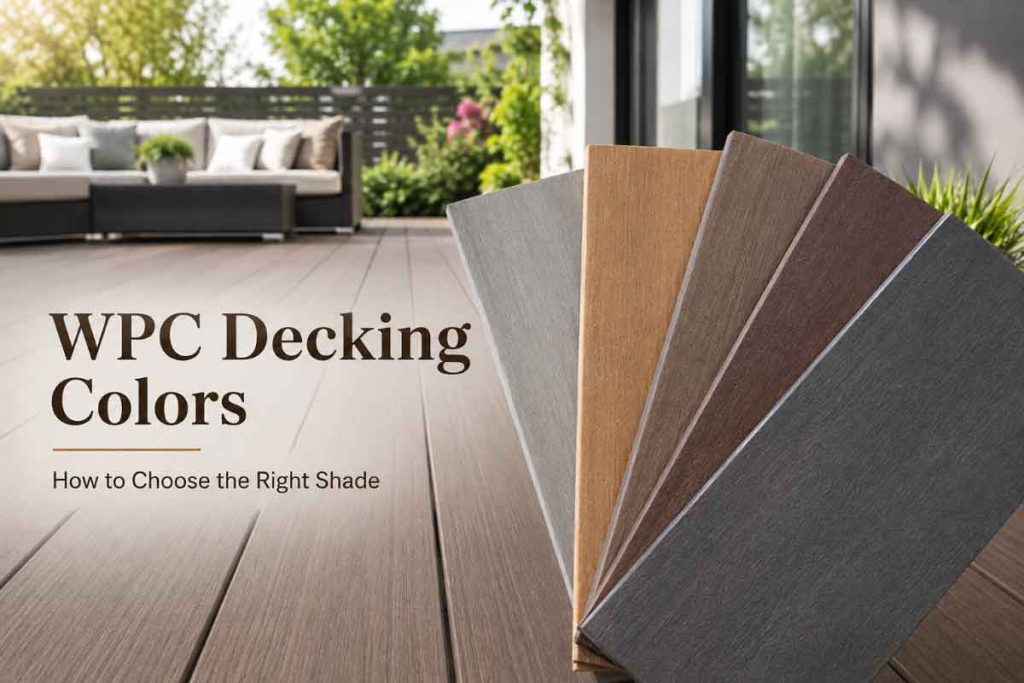
4.5 Design Variety (Custom Colors & Textures)
- Definition & Cause: Different colors, mold textures, and surface treatments can simulate wood grain, brushed, stone, or other effects; hollow/solid profiles and capping layers affect appearance and feel.
- Performance: Meets a wide range of aesthetics, from rustic to modern minimalism; some products support custom lengths and colors.
- Selection Tips: For long-term color stability, choose capped or weather-resistant coated products. Consider how different textures affect anti-slip and cleaning (deeper textures are more slip-resistant but harder to clean).
- Installation & Accessories: Match decking style with overall landscape, furniture, and railing colors; ensure compatibility with hidden joists, clips, and other accessories for best visual and construction effect.
5. Applications of Composite Decking
- Outdoor Decks (Yards, Balconies, Terraces)
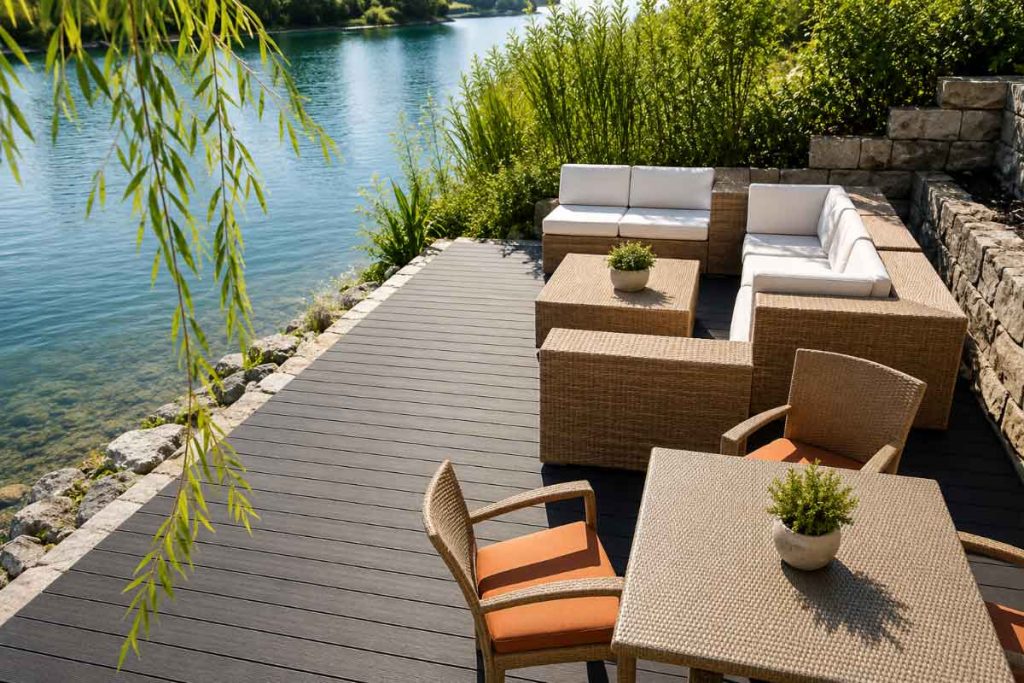
Composite decking is widely used in residential and commercial outdoor decks, such as yards, balconies, and terraces. Compared with traditional wood, it resists sun and rain, avoiding cracks or warping from humidity changes. Its comfortable feel and warm appearance enhance outdoor leisure areas. - Landscape Design (Walkways, Gardens, Pavilions)
Used in garden paths, outdoor pergolas, and pavilions. Its anti-slip, anti-corrosion, and weather-resistant properties ensure stability throughout the year, while coordinating with plants and stones to enhance landscape aesthetics and quality. - Pool Surroundings (Anti-Slip, Water-Resistant)
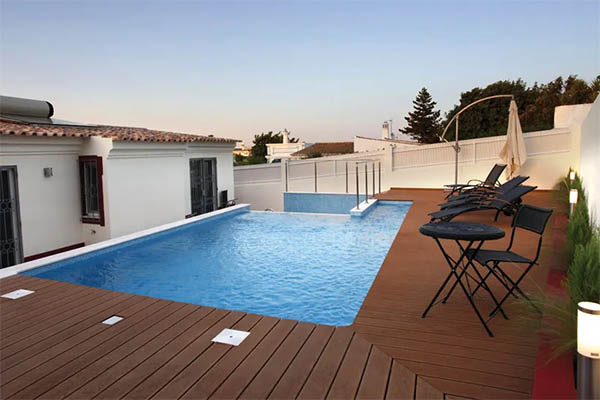
Pool areas require high water and slip resistance. Composite decking has textured surfaces for safety in wet conditions, is resistant to chlorine and seawater, and is easy to clean, making it ideal for poolside, SPA, or coastal resorts.
6. Comparison with Traditional Wood Flooring
6.1 Advantages
- Strong weather resistance, stable in wet or hot conditions, does not crack or deform easily.
- Built-in anti-corrosion and anti-termite properties, no extra treatments needed, reducing maintenance cost and effort.
- Low maintenance; daily cleaning is sufficient, no waxing or painting required.
6.2 Disadvantages
- Slightly higher cost than ordinary wood, especially with high-quality wood powder and eco-friendly plastics.
- Texture slightly inferior to natural wood; lacks the natural layers and warm feel of solid wood, affecting some high-end interior applications.
6.3 Summary
Composite decking offers superior weather resistance, low maintenance, and anti-corrosion/anti-termite properties, making it ideal for outdoor renovation. Despite slightly higher costs and lower tactile feel, it is still superior to traditional wood for modern households and commercial spaces seeking durability, eco-friendliness, and low upkeep.
7. Key Points and Recommendations for Selection
- Material Ratio: Low wood powder content reduces natural texture; plastic type (PE, PP, PVC) determines decking strength and weather resistance. Choose according to the application environment.
- Surface Texture: Boards with anti-slip and wear-resistant designs are suitable for outdoor areas like yards and poolside, ensuring safety and durability.
- Weather Resistance Tests: Pay attention to UV resistance and frost resistance to ensure stability in different climates.
- Brand and After-Sales Service: Choose reputable brands with comprehensive after-sales service; high-quality products have longer service life.
8. Summary
Composite decking, with its strong weather resistance, waterproofing, anti-corrosion, anti-termite, anti-slip, low maintenance, and diverse design options, has become the preferred choice for modern outdoor decoration. It solves the common issues of traditional wood flooring, such as deformation and frequent maintenance, while utilizing wood powder and recycled plastics to achieve both environmental and practical value. In various applications—yard terraces, garden paths, and poolside—composite decking combines aesthetics, safety, and durability, meeting the demand for comfort and quality living. Choosing composite decking is not only a material choice but also a lifestyle that aligns with modern needs. For users seeking low maintenance, long lifespan, and eco-friendliness, composite decking is undoubtedly the ideal choice.