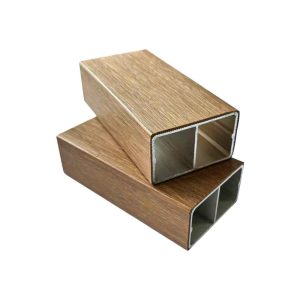
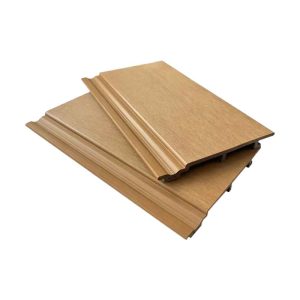
WPC decking joists is indispensable accessories for installing WPC deck. Generally, there are many materials for joists. They include wood, WPC and aluminum alloy. How should we choose from those?
Types for WPC Joist
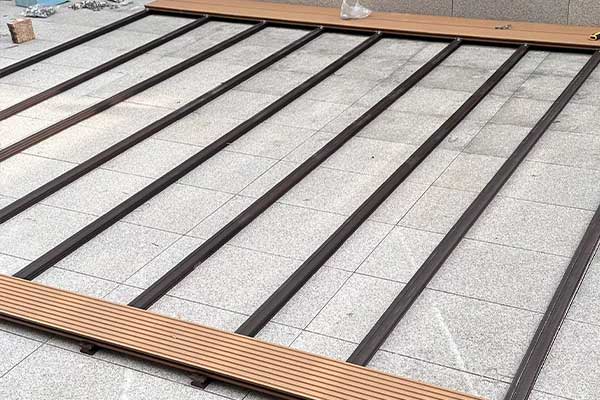
The joist material is as following: WPC keels, aluminum alloy keels, and wooden keels. each with its own characteristics.
WPC Joist
Material Composition: Wood fiber + Recycled plastic Advantages: • Waterproof, anti-corrosion, and insect-resistant • Low deformation rate and thermal expansion • Maintenance-free and long-lasting • Eco-friendly and recyclable Disadvantages: • Slightly higher cost than wooden joists • Lower load-bearing capacity compared to aluminum joists
Applications: Commonly used for outdoor balconies, garden terraces, and landscape walkways in residential or light commercial areas.
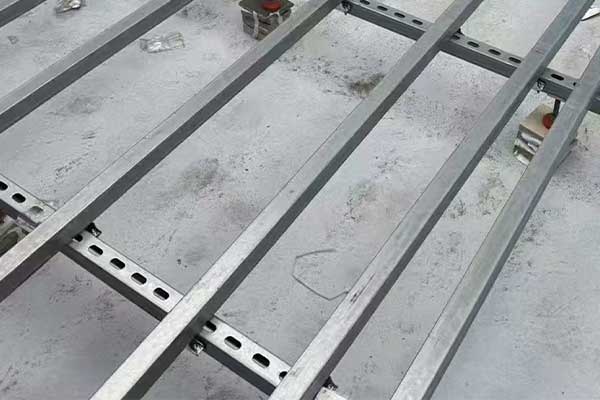
2. Aluminum Joist
Material Composition: High-strength aluminum alloy Advantages: • Excellent load-bearing strength • Completely waterproof and rustproof • Lightweight yet highly stable Disadvantages: • Relatively high cost • Requires more precise installation
Applications: Ideal for high-end commercial decking, poolside platforms, and coastal or high-humidity environments.
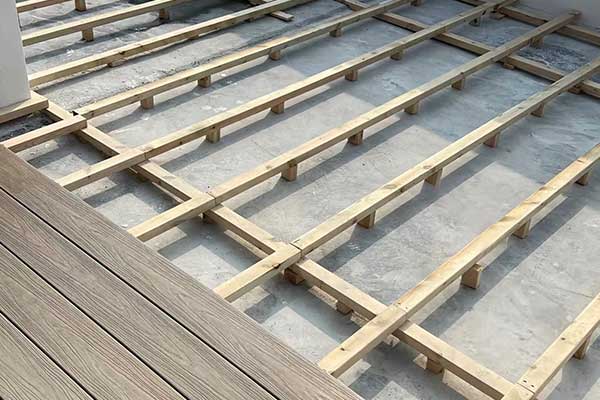
3. Wooden Joist
Material Composition: Treated wood or hardwood Advantages: • Low cost • Easy to cut and install Disadvantages: • Prone to rot, deformation, and moisture damage • Requires regular maintenance and painting Applications: Suitable for indoor or temporary decking structures; not recommended for long-term outdoor use.
WPC decking are outdoors, wooden joists can rot or warp, while WPC or aluminum joists resist water, corrosion, and stay stable. so we use wpc and aluminum joists to install WPC Decking.
Soild WPC Joist VS Hollow WPC Joist
Type
Structure
Advantages
Disadvantages
Applications
Solid Joist
Solid structure
High strength, strong load-bearing, stable
Heavier, slightly higher cost
Public platforms, commercial areas, high-traffic zones
Hollow Joist
Hollow lightweight structure
Lightweight, easier to transport and install, cost-effective
If you would like to purchase or get a free B2B quotation for WPC joist, welcome to fill in our request a quote chart. We will give you response in 1 working days.