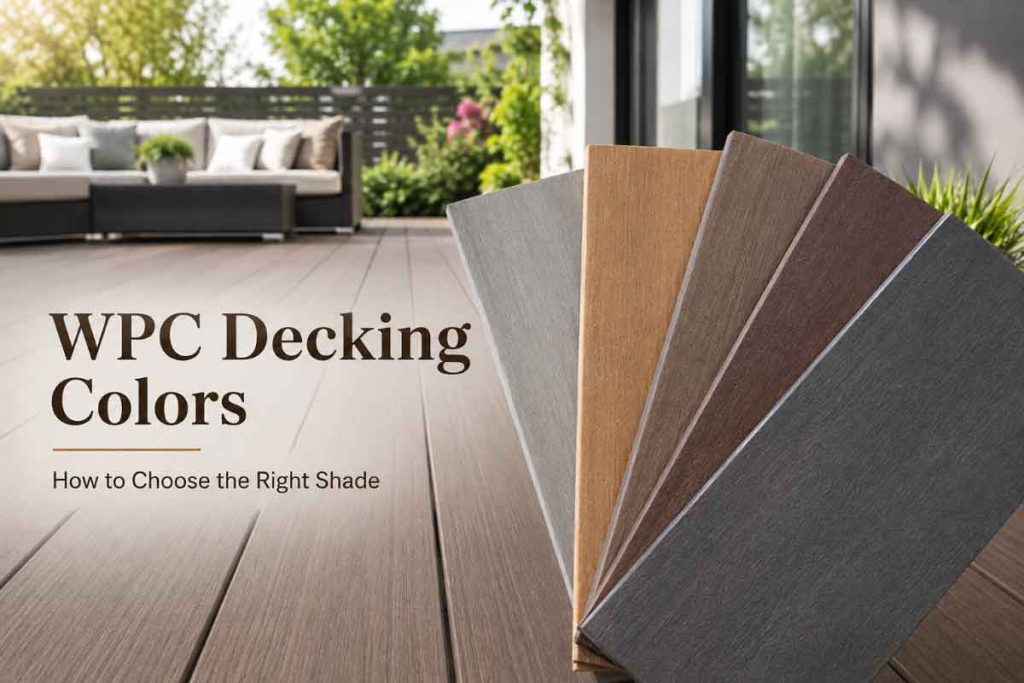
WPC decking (Wood-Plastic Composite decking) comes in various texture designs, and the selection of the surface texture is usually based on aesthetic needs and the intended application. Below are some common types of WPC decking textures:
- Wood Grain Texture
This is the most common texture, mimicking the natural grain of real wood. The surface displays natural wood grain lines, making it perfect for creating a warm and natural atmosphere in both outdoor and indoor spaces. - Brushed Texture
This texture gives the appearance of brushed wood, providing a refined and smooth feel. It typically features fine, delicate lines and a smooth surface, making it ideal for modern, minimalist, or elegant design styles. - Embossed Texture
Featuring a special process to create raised patterns on the surface, the embossed texture presents irregular or deep grooves. This texture enhances the durability and slip resistance of the decking, making it commonly used for outdoor applications. - Straight Grain Texture
This texture mimics the straight, linear wood grain found in solid wood. It gives a clean and uniform look, suitable for modern home or commercial spaces. - Grooved Texture
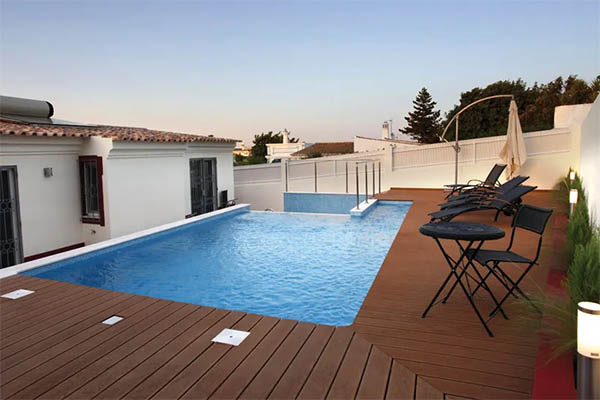
Grooved decking features parallel indentations, offering both aesthetic appeal and improved drainage and slip resistance. It is typically used for outdoor decking, such as patios and poolside areas. - Natural Texture
The natural texture imitates the rough and irregular texture of natural wood. The surface is uneven, offering an earthy and rustic look, ideal for rural or country-style designs.
These textures not only enhance the aesthetic appeal but also provide different functional benefits like slip resistance, water resistance, and durability. Choosing the right texture ensures that the WPC decking performs optimally in different environments.
Price Differences of WPC Decking Based on Texture
The price differences among various WPC decking textures are typically due to several factors:
- Production Process Complexity
- Complex Textures: Textures like embossed and natural textures require more advanced production processes, such as hot pressing and laser engraving. These processes demand higher-end equipment and technical expertise, resulting in higher production costs and prices.
- Simple Textures: Textures like straight grain and wood grain are simpler to produce, usually requiring standard molds and surface treatments. As a result, the production costs are lower, leading to a more affordable price.
- Surface Treatment Process
- Additional Surface Treatment: High-end WPC decking, like embossed textures, may undergo additional treatments such as UV protection, stain resistance, and anti-slip coatings, which increase the price due to the extra costs involved.
- Basic Treatment: Textures like straight grain or wood grain typically undergo basic surface treatment, which keeps the price lower.
- Material Quality
- High-Quality Materials: Decking with more intricate textures often uses superior raw materials or improved formulations to ensure detailed and lasting textures, increasing the overall cost.
- Standard Materials: Less expensive decking may use standard WPC materials, reducing production costs and making it more affordable.
- Durability and Performance
- Wear Resistance and UV Protection: Complex textures often feature additional protective coatings that enhance durability, particularly in outdoor environments. These added functions increase costs.
- Basic Decking: Simpler textured decking might not have these extra protective features, making it less durable and more affordable.
- Production Scale and Customization
- Customized Textures: If a specific texture or color is required, the production process becomes more personalized, which raises costs. Customized WPC decking typically comes at a higher price.
- Standardized Production: More commonly used textures like wood grain or straight grain are produced in bulk, making them more cost-effective.
- Market Positioning and Brand
- Brand Premium: Well-known brands that maintain strict control over materials and processes tend to have higher-priced decking products due to the brand premium.
- Low-Cost Brands: Some budget brands offer lower prices by reducing production costs, but the quality of materials and craftsmanship may be compromised.
- Shipping and Installation
- Complex Textures: Decking with intricate textures may be heavier or have irregular sizes, which increases shipping and installation costs, ultimately affecting the final price.
WPC Decking Texture Cleaning and Maintenance Guide
When selecting WPC decking, if convenience in cleaning is a key consideration, the following textures are the easiest to clean:
Easiest to Clean WPC Decking Textures
- Smooth Texture
- Advantages: The smooth surface is even and flat, with no deep grooves, preventing dust and dirt from accumulating. Sweeping or vacuuming is quick and easy, and wiping with a damp cloth removes stains efficiently.
- Suitable for: If you prefer a simple and easy-to-clean surface, smooth textures are a great choice.
- Embossed Texture (Modern Shallow Patterns)
- Advantages: While embossed textures have some raised patterns, many modern designs feature shallow grooves that don’t accumulate a lot of dirt. If the surface is treated with a stain-resistant coating, cleaning becomes even easier.
- Suitable for: If you enjoy textured decking but want something easy to maintain, the modern version of embossed texture is a perfect option.
- Micro-textured or Slightly Textured
- Advantages: Micro-textured decking has a subtle surface that prevents dust buildup. Cleaning with a regular vacuum cleaner or broom is quick, and a damp mop easily removes dirt.
- Suitable for: Ideal for indoor spaces such as kitchens and dining areas where oil stains and debris are common.
Harder to Clean WPC Decking Textures
- Straight Grain Texture
- Advantages: While simpler, the grooves in straight grain texture can allow dust and dirt to settle. Cleaning requires a little more effort compared to smooth or embossed textures.
- Suitable for: If you don’t mind spending a little extra time on cleaning, straight grain texture can still be a great option, but it’s not the easiest to maintain.
- Deep Embossed Texture
- Advantages: Deep embossed textures or stone-like patterns, though visually appealing and slip-resistant, have deeper grooves that trap dust, sand, and dirt. Cleaning these surfaces requires more effort.
- Suitable for: If aesthetics are a priority and you’re not concerned about cleaning time, deep embossed textures can be chosen.
Summary:
- Easiest to clean textures: Smooth texture, modern embossed texture (shallow patterns), micro-textured.
- Moderately cleanable textures: Wood grain texture, straight grain texture.
- Harder to clean textures: Deep embossed texture, stone-like textures.
If cleaning convenience is your main consideration when choosing WPC decking, it’s recommended to go for smooth texture or modern embossed textures, as they provide an attractive look while being easy to maintain.
Choosing the Right WPC Decking Texture Based on Your Needs
When selecting WPC decking, the texture plays a crucial role not only in the aesthetic appeal but also in functionality and maintenance. Here are some considerations based on your specific needs:
- For Durability and Slip Resistance (Outdoor Use)
If you plan to use WPC decking in outdoor spaces such as patios, poolsides, or gardens, textures that enhance slip resistance and durability are essential.- Embossed Texture: The raised patterns on embossed decking improve grip, making it ideal for outdoor use where wet conditions might occur.
- Grooved Texture: Grooved decking offers excellent drainage and slip resistance, ensuring safety in outdoor environments.
These textures are more likely to cost higher due to the added functional benefits, but they are worth the investment for their performance and longevity.
- For a Modern and Minimalist Look (Indoor Use)
For modern, minimalist interior spaces, simpler textures that maintain a sleek, elegant design while being easy to maintain are preferred.- Straight Grain Texture: This texture offers a clean, uniform appearance that fits well in contemporary interior spaces like living rooms, kitchens, or offices.
- Wood Grain Texture: While still providing the natural wood look, this texture offers a more traditional feel with the benefits of easy maintenance.
Both of these textures offer a balance between design and convenience, and their prices tend to be more affordable compared to embossed or deeply textured decking.
- For Natural and Rustic Ambiance (Country or Outdoor Settings)
If you aim to create a more natural or rustic atmosphere, such as in gardens, country houses, or rustic-themed patios, the following textures are great choices:- Natural Texture: This texture mimics the raw, rustic feel of natural wood and offers an earthy, organic vibe perfect for country-style settings.
- Wood Grain Texture: The natural, authentic look of wood grain makes it a versatile option for achieving a more traditional, rustic ambiance in any outdoor or indoor environment.
These textures might not be as simple to clean as the smooth varieties but offer an unparalleled aesthetic appeal.
- For Customization and Unique Designs
If you are looking for a unique and personalized design, customized WPC decking with specific textures can elevate the look of your space.- Customized Textures: WPC decking brands may offer options for creating bespoke textures, whether it’s for a particular pattern, finish, or color. These typically come at a higher price due to the added customization and production complexity.
Conclusion
The texture of WPC decking greatly influences both the appearance and functionality of the decking. When choosing the right texture, it’s important to consider the following:
- Maintenance: If ease of cleaning is a priority, smooth or modern embossed textures are your best bet, as they are the easiest to maintain.
- Aesthetic Appeal: For a natural, rustic look, wood grain, natural, or straight grain textures will give your decking a warm and inviting feel.
- Durability: For outdoor use, especially in wet conditions, textured decking with anti-slip properties such as embossed or grooved textures are the ideal choice.
- Customization: If you’re looking for something unique, customized textures may provide the perfect solution, albeit at a higher price.
By carefully considering these factors and aligning your needs with the available WPC decking textures, you can create a stunning, functional, and easy-to-maintain outdoor or indoor space. Whether you’re prioritizing aesthetics, durability, or ease of cleaning, there’s a WPC decking texture that’s perfect for every project.