

— How to Maximize the Material Lifecycle and ROI with Standard Maintenance
WPC (Wood Plastic Composite) DIY tiles are the new generation of environmentally friendly building materials. Thanks to their excellent durability, low-maintenance properties, and moisture and insect resistance, they have become widely used for garden patios, high-rise balconies, and outdoor leisure areas.
However, “durability” does not mean “maintenance-free”. Many projects show signs of fading, warping, or scratches after 2-3 years of use, often due to neglecting early maintenance. This guide offers a practical full-cycle care plan from professional protection, standard operation, deep cleaning, and environmental precautions to keep your WPC tiles looking like new for longer.
1. Professional Protection: Building a Defensive Barrier from the Start
For WPC tiles, the unique combination of wood fibers and polymer structure means that physical protection is the most cost-effective and impact solution.
1.1. Entrance Area: Set Up a “Clean Shoe Zone”
- Pain Point: Sand and dirt particles on shoe soles act as invisible “sandpaper,” which, over time, can damage the WPC flooring’s wear-resistant layer.
- Action Standard: Equip the entry or outdoor area with dust mats. It’s advisable to wipe shoes before entering or set up a shoe-changing area to reduce the transfer of dirt and debris.
1.2. Moving Heavy Objects: Avoid “Hard Friction”
- Pain Point: Dragging outdoor furniture or planters directly across WPC tiles can easily cause irreversible deep scratches on the surface.
- Hardware Configuration:
- Furniture Pads: Always install adhesive wool felt or rubber pads under tables, chairs, and cabinets to cushion the pressure.
- Wheel Upgrade: Replace hard plastic casters with soft rubber wheels. The cushioning effect of rubber can significantly reduce local pressure, preventing dents and scratches.
1.3. Moving Pathways: Use Professional Tools
- Scenario: For heavy outdoor furniture or BBQ grills.
- Solution: Avoid dragging by force. Use a rubber-wheeled dolly for moving. Rubber wheels not only protect the WPC tile deck but also distribute weight to prevent local overload and indentations in the tiles.
2. Detail Care: The Art of Gently Handling
While WPC tiles are strong, excessive force may cause structural damage. The following standards should be followed in daily operations:
2.1. Furniture Moving Principle: “Lift” Instead of “Drag”
- Core Action: Always lift furniture as a whole when moving. If a piece is too heavy, seek assistance or use a moving strap for leverage.
- Principle: Dragging creates high friction, which damages the co-extruded layer of WPC tile flooring, roughening the surface and accelerating dirt buildup.
2.2. Pet Management: Regular Nail Trimming
- Hidden Danger: Pets’ sharp claws are the number one enemy of WPC tiles.
- Maintenance Suggestion: Regularly trim pet claws and place a pet mat in the activity area. This helps protect the tile texture and reduces pets’ anxiety from scratching.
3. Cleaning Standards: Scientific Cleaning, Avoid “Destructive Cleaning”
Cleaning is at the core of maintenance, and improper methods can shorten the lifespan of WPC DIY tiles.
3.1. Moisture Control: Prefer Dry to Wet
- Taboo: Avoid using overly wet mops for large-area cleaning.
- Risk: Excess moisture can seep into tile seams or the interior, causing fiber swelling, warping, or mildew. Long-term water accumulation can damage the polymer structure.
- Standard Operation: Use a damp mop that’s wrung out. For stubborn stains, spray a WPC tile cleaning solution, let it sit for a while, then wipe with a soft cloth and finish with a dry cloth.
3.2. Cleaning Tools: Soft Brushes are the Best
- Taboo: Never use a vacuum with a hard brush head or steel wool.
- Risk: Hard bristles can leave fine scratches on WPC tile flooring, creating pits that trap dirt, leading to a dull appearance.
- Recommendation: Use a soft brush vacuum cleaner, static dusting mop, or soft cloth for cleaning. Always clear sand or grit from roller brushes to prevent secondary abrasion.
4. Environment & Longevity: Full-Cycle Management
4.1. Sun Protection: Avoid UV Aging
- Principle: Prolonged exposure to UV rays will break down the antioxidants on the WPC DIY tile surface, causing color fading.
- Measures: Install sunshades, umbrellas, or blinds in sun-exposed areas, especially during peak noon heat. This effectively slows down aging.
4.2. Drainage: Prevent Water Accumulation
- Attention: While WPC tiles outdoor are highly water-resistant, “long-term soaking” is still detrimental to their structure.
- Maintenance: Ensure drainage holes on balconies or terraces are clear. After rainy seasons, promptly remove any standing water to avoid watermarks or bottom-side mildew.
4.3. Inspections: Early Detection, Early Repair
- Frequency: Conduct a quarterly routine inspection.
- Action: Once minor cracks or loosening are found, immediately repair or reinforce. Timely minor repairs are key to avoiding larger-scale repairs and saving costs.
5. Summary and Value Proposition
By following the above standards, WPC DIY tiles can not only maintain their initial aesthetic appeal but also extend their lifespan by 30%-50%.
For your customers, professional maintenance is not only a commitment to the product but also about preserving its value. By incorporating this “Professional Care Guide” into product manuals or after-sales services, you can greatly enhance your brand’s professionalism and trustworthiness, making customers feel that they are buying not just tiles, but a full-cycle service and guarantee.
If you would like to choose the nice WPC DIY tiles from China, you can browser our product:
WPC DIY TILE
-

30*30CM WPC DIY Tiles Embossed Tear Interlocking Floor
-

300*300*22MM WPC Decking Anti-Slip
-

600MM WPC Decking Floor Tiles 4PCS DIY Outdoor Co Extruded
-

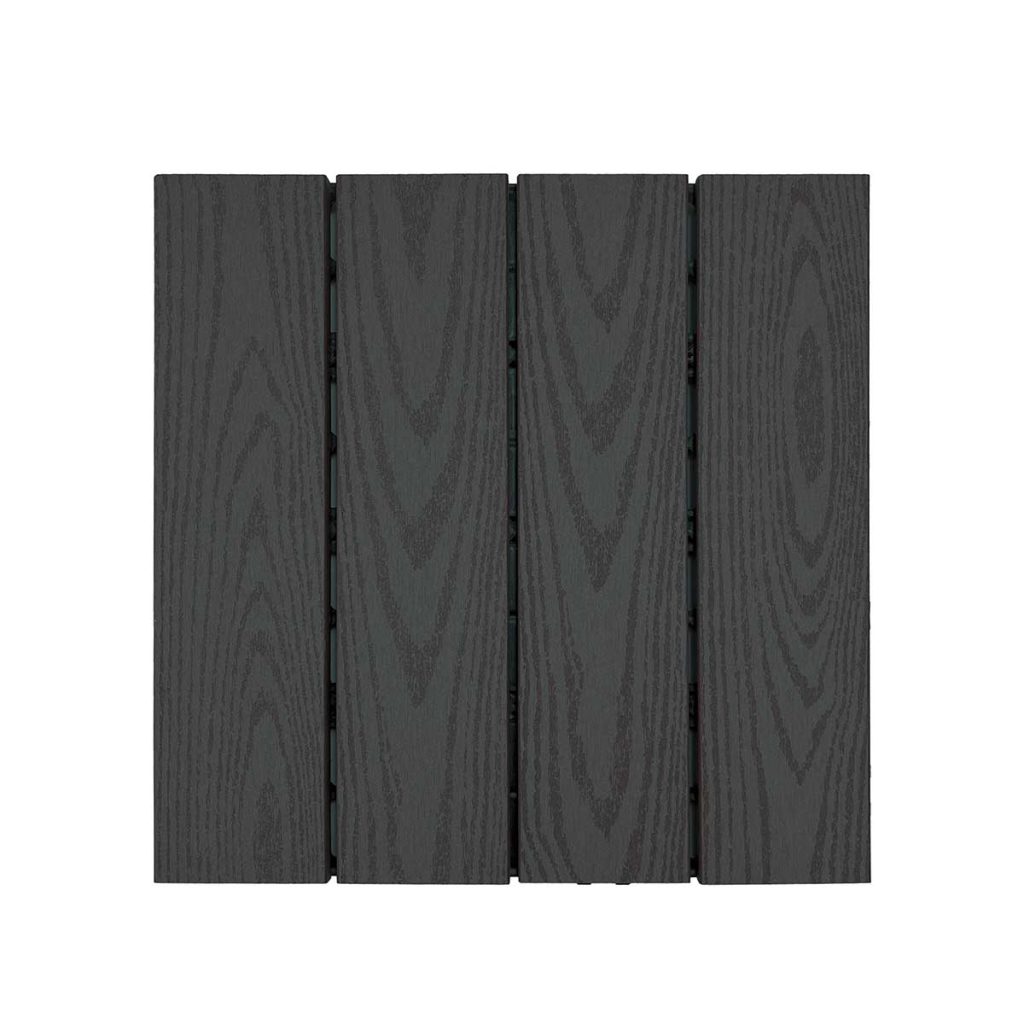
Black Dark Stain-resistant WPC DIY Tiles Interlocking Design
-

Cherry 22MM Thickness Centrifugal Emboss WPC DIY Floor Tiles
-
Chocolate Wholesale Normal WPC Diy Decking Factory
-

DIY WPC Composite Decking Co-extruded Grey 30*30MM
-

DIY WPC Deck Tiles Redwood 10MM Thickness Balcony Use
-
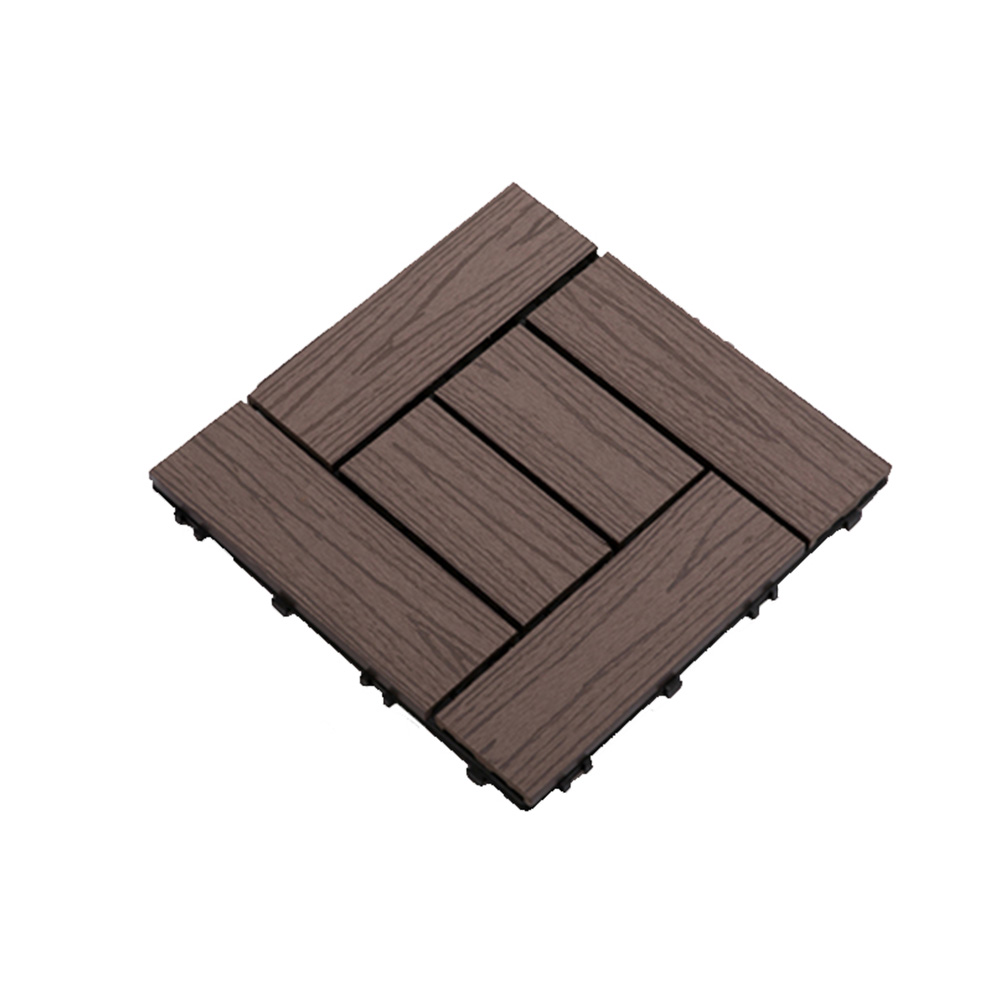
DIY WPC Decking


