Key Differences Between WPC Pet House Dog Crate and WPC Chicken House
WPC dog house (pet house dog crate) and WPC chicken house differ significantly in their purpose, structure, and spatial design. Understanding these differences can help you choose the right WPC product for your pet’s needs.
1. Purpose
• WPC Dog House: Primarily provide pets (usually dogs) with a separate, safe resting and roosting space. They are typically small, enclosed houses that provide the privacy and security a pet needs, suitable for single or small groups of pets.
• WPC Chicken House: Designed specifically for raising poultry such as chickens, they are usually larger, fenced structures. Chicken coops provide ample space for the flock to socialize, forage, and breed, while effectively preventing predation and weather damage.
2. Structural Design
• WPC Dog Cages (Pet Houses): The structure is typically enclosed or semi-enclosed, with doors and windows for pets to enter and exit. The design emphasizes insulation, waterproofing, and ventilation to ensure the pet’s comfort and safety.
• WPC Chicken Houses: The structure is typically open or semi-enclosed, with fences or mesh, allowing chickens to move freely. Chicken coop design prioritizes ample space to meet the activity needs of the flock and separate multiple roosting and egg-laying areas.
3. Spatial Design
• WPC Dog Cages: Smaller spaces designed for single or small groups of chickens, focusing on providing a private, safe environment suitable for rest and sleeping.
• WPC Chicken Coops: Larger spaces suitable for multiple flocks, typically containing multiple compartments or perches. Designs emphasize ventilation, activity space, and protective features to ensure the flock can move freely and rest.
Differences in Housing Needs Between Dogs and Chickens
1. Dogs’ Needs: Independence, Safety, and Privacy
• Social Needs: Dogs are social animals; while they need their own space, they also rely on interaction with humans and other pets. A separate house provides dogs with a quiet, private resting space.
• Sense of Security: Dogs feel safer in enclosed or semi-enclosed spaces, which help them avoid external disturbances such as noise or inclement weather.
• Training and Rest: Dog crates are not only places to rest but also often training spaces. They provide a refuge for dogs, helping them rest and recover when needed.
2. Chicken Needs: Group Activity, Open Space
• Social Nature: Chickens are social animals and generally dislike being alone in small spaces. They need to interact with other chickens, find food and water, and have sufficient space to move around.
• Activity and Feeding: Chickens need enough space to move freely, sunbathe, and forage. Therefore, chicken coops are designed as either fenced or open-plan to ensure the flock has enough room to move.
• Perching and Breeding: Chicken coops also need to include multiple perches or nests for chickens to roost and lay eggs, rather than being designed for individual privacy.
Application of WPC Materials: Different Needs of WPC Pet House Dog Crate and WPC Chicken House:
1. DIY WPC Dog House (Pet Houses)
Dog cages need to provide a closed, comfortable space suitable for pets to rest, sleep, or train. The following are WPC products suitable for dog cages:
• WPC Wall Panels: Used to build the walls of dog cages, providing privacy and security for pets. They are waterproof, corrosion-resistant, and UV-resistant, making them suitable for outdoor use.
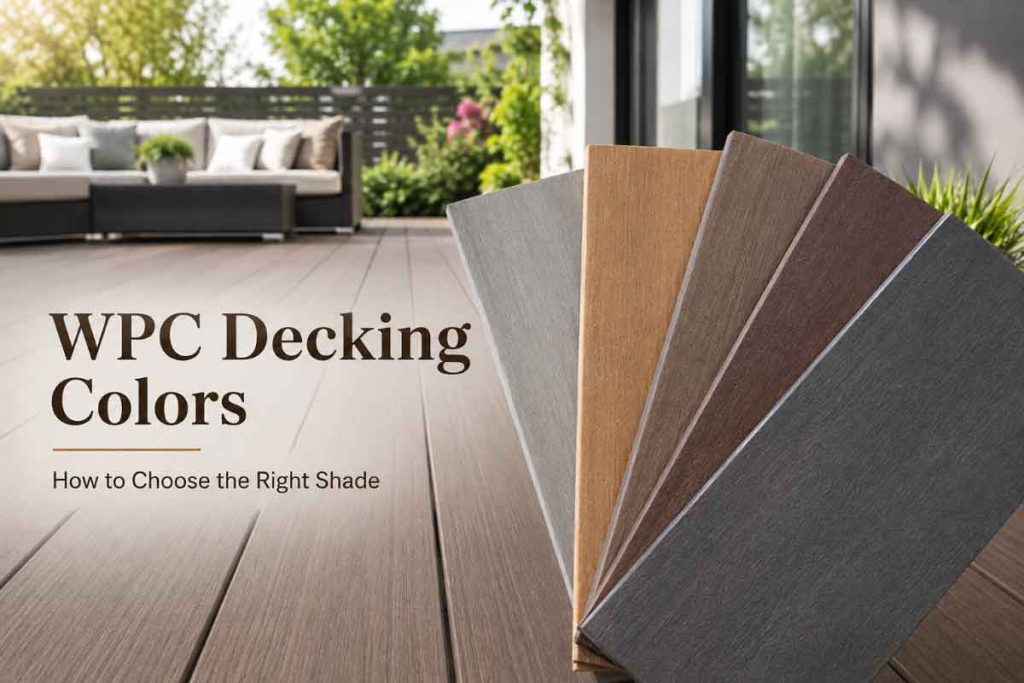
• WPC Decking: Used for the floor of dog cages, providing moisture resistance, waterproofing, and easy cleaning. 1. **WPC Products for Pets:** Provides a better comfort and hygienic environment for pets.
• WPC Wall Cladding: Provides rain and sun protection for dog cages, maintaining a dry and comfortable environment.
• WPC Doors and Windows: Serves as entrances and exits for dog cages, providing both security and adequate ventilation.
2. DIY WPC Chicken House: Chicken cages need to provide sufficient space for movement and effective protection. The following are WPC products suitable for chicken house:
• WPC Fence: Used to enclose the outer perimeter of the chicken cage, providing chickens with space to move around and a safety barrier to prevent outside animals from entering.
• WPC Wall Panels: Serves as the walls of the chicken coop, protecting chickens from wind and rain. Open or partially enclosed designs are available, providing sheltered areas.
• WPC Decking: Provides a dry surface, reducing moisture and bacterial growth, suitable for the frequent cleaning needs of the chicken coop.
• WPC Roof: Provides sun and rain protection for the chicken coop, ensuring a dry and comfortable interior.
• WPC Doors and Windows: Used as doors and ventilation openings for the chicken coop, ensuring that chickens cannot easily escape while ensuring good ventilation.
WPC Doors and Windows: Serves as doors and ventilation openings for the chicken coop, preventing chickens from easily escaping while ensuring good ventilation.
Summary
• WPC Dog House: Suitable for providing privacy, safety, and comfortable spaces with WPC wall panels, floors, roofs, and doors/windows, primarily considering the resting and training needs of individual pets.
• WPC Chicken House: Suitable for providing activity space and effective protection with WPC fences, wall panels, floors, roofs, and doors/windows, primarily meeting the activity, habitat, and breeding needs of group animals.
By properly selecting and using WPC materials to construct pet houses or chicken coops, you can ensure your pet’s comfort and safety, extend their lifespan, and make them especially suitable for outdoor use, meeting the diverse needs of different pets.