The term DIY WPC Decking is used because it has several characteristics that distinguish it from traditional tiles or flooring. These DIY properties are as follows:
1. Easy Installation
DIY WPC Decking typically comes in a modular design that allows users to install it easily without requiring professional tools or skills. The decking usually features a snap-together design, allowing for quick assembly, much like a puzzle. This eliminates the need for complex gluing or laying processes, enabling regular consumers to install it themselves without relying on professionals. This easy installation is the core DIY feature.
2. Modular Design
These small tiles are modular, meaning users can freely combine different colors, textures, and patterns to create their preferred floor design. This customizable design makes it an ideal choice for DIY enthusiasts, allowing them to craft personalized spaces.
3. Flexible Application Range
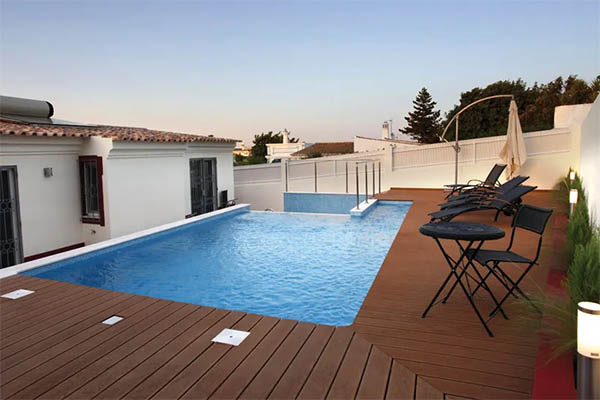
DIY WPC Decking is suitable for various applications, including indoor floors, walls, and even outdoor spaces such as patios and balconies. Its versatility allows consumers to design creative spaces according to different needs. For example, indoors, different colors and styles of DIY WPC Decking can be arranged to create a unique decorative effect, while outdoors, it can be used to create both aesthetic and durable patios or pool areas.
4. Easy to Repair and Replace
Due to its modular design, DIY WPC Decking allows easy replacement of individual tiles. If one tile gets damaged, it can be easily replaced without removing the entire floor. This feature is perfect for consumers who like to handle repairs themselves.
5. Eco-friendly and Sustainable
WPC materials, made from wood-plastic composites, are environmentally friendly. Consumers can choose this sustainable DIY material for installation, aligning with the modern demand for green and eco-friendly living.
6. Seamless Installation and Aesthetic Appeal
The interlocking design of DIY WPC Decking ensures that the surface looks seamless and neat, enhancing the overall aesthetic of the space. Consumers can choose from various styles to create unique visual effects, making it an attractive and functional choice for DIY home projects.
Common Names for DIY WPC Decking
Depending on the size, installation method, and application scenario, DIY WPC Decking can go by different names. Below are some of the most common names:
1. WPC Decking Tiles
WPC Decking Tiles refer to interlocking decking made from wood-plastic composite material, commonly used in outdoor patios, balconies, gardens, etc. They can be easily installed by interlocking, which makes them ideal for DIY installations.
2. WPC Patio Tiles
WPC Patio Tiles are designed primarily for outdoor spaces such as patios and courtyards. These tiles are easy to install and often come in modular or tile forms, making them suitable for DIY installation and customization.
3. WPC Interlocking Tiles
This name emphasizes the interlocking function of the decking. WPC Interlocking Tiles are designed with snap-together features, allowing users to install them quickly and conveniently, perfect for DIY.
4. WPC Flooring Tiles
These small-sized WPC tiles are designed for both indoor and outdoor use, commonly found in kitchens, bathrooms, and patios. Their interlocking and DIY features make them very popular.
5. WPC Outdoor Tiles
WPC Outdoor Tiles emphasize the fact that these small tiles are primarily intended for outdoor use. They are typically waterproof and weather-resistant, ideal for areas like gardens, patios, and pool sides.
6. Modular WPC Tiles
Modular WPC Tiles highlight the modular design, allowing users to customize or change the layout of the floor according to their needs. This is great for users who want flexibility in their design.
7. WPC Garden Tiles
WPC Garden Tiles are intended for use in gardens or other outdoor areas. These tiles are typically waterproof, corrosion-resistant, and able to withstand changing outdoor conditions.
8. WPC Click Tiles
WPC Click Tiles are designed to be installed by clicking or snapping them together. This design makes them easy for DIY installation, without the need for glue or tools.
9. WPC Snap Tiles
WPC Snap Tiles are another name that emphasizes the snapping design. These tiles are quick to install, where users just need to “snap” the tiles together.
10. WPC Modular Flooring
WPC Modular Flooring highlights the modular design, suitable for both indoor and outdoor installations. These tiles are DIY-friendly, allowing users to easily install and replace them according to their needs.
11. WPC Click-in Decking
WPC Click-in Decking emphasizes the click installation system, which is often used for outdoor decking. Users can easily assemble it without professional tools, perfect for DIY projects.
Summary
DIY WPC Decking is named as such due to its easy installation, modular design, flexibility in application, repairability, and eco-friendliness. These features make it an ideal choice for DIY enthusiasts who want to create their own personalized spaces.
Depending on the sales channel and market, DIY WPC Decking can go by various names such as WPC Decking Tiles, WPC Patio Tiles, WPC Interlocking Tiles, etc., all emphasizing its snap-together functionality, modular design, and DIY-friendly nature. Whether used indoors, outdoors, in gardens, patios, or terraces, DIY WPC Decking offers a convenient and customizable flooring solution for all types of projects.