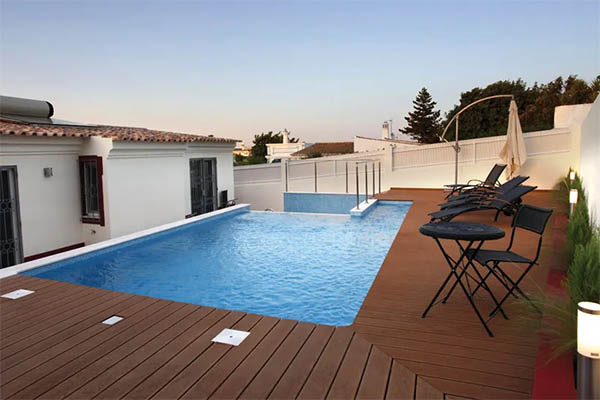
WPC decking is widely used in gardens, balconies, terraces, pool areas, restaurants, parks, and commercial outdoor spaces. Compared with traditional wood decking, WPC decking is more resistant to moisture, cracking, insects, and daily weather changes. It also requires less maintenance than natural wood.
However, low maintenance does not mean no maintenance. Outdoor decking is exposed to dust, rain, sunlight, leaves, food stains, mud, and seasonal temperature changes. If it is not cleaned properly, the surface may become dirty, slippery, or less attractive over time.
Different seasons bring different maintenance problems. Spring may bring pollen and rain. Summer may bring strong sunlight and outdoor dining stains. Autumn often brings fallen leaves and moisture. Winter may bring snow, ice, and low temperatures.
This guide explains how to clean and maintain WPC decking in different seasons, helping homeowners, contractors, and project buyers keep outdoor decking clean, safe, and long-lasting.
Why Seasonal Maintenance Matters for WPC Decking
WPC decking is made from wood fiber, plastic, and additives. This structure gives it better water resistance and durability than natural wood. But outdoor environments still affect its appearance and performance.
Seasonal cleaning helps to:
- Remove dirt, leaves, and stains
- Reduce mold and mildew risk
- Keep the surface safer for walking
- Protect the decking appearance
- Extend the service life of the deck
- Reduce long-term maintenance costs
Regular cleaning is especially important in humid areas, poolside spaces, restaurants, gardens, and commercial projects with heavy foot traffic.
Spring: Remove Dust, Pollen, and Moisture
Spring is a good season to give WPC decking a deep clean after winter. During this time, the deck may have accumulated dust, mud, leaves, and moisture.
Spring weather can also bring pollen and frequent rain. If these remain on the surface for a long time, the decking may look dirty or slippery.
Spring Cleaning Tips
Start by removing loose dirt from the deck surface. Use a broom, soft brush, or blower to clear leaves, dust, and small debris.
Then clean the surface with clean water and mild soap. A soft brush can be used for areas with more dirt. After cleaning, rinse the deck with water and allow it to dry naturally.
Pay attention to the gaps between boards. Dirt, leaves, and small stones can block drainage and ventilation. Keeping the gaps clear helps water flow away smoothly.
What to Check in Spring
Spring is also a good time to inspect the deck structure.
Check whether:
- Boards are loose
- Clips or screws need adjustment
- Drainage is blocked
- There is standing water under the deck
- The surface has stains or mold spots
- Edges and corners are still stable
If the deck was installed in a humid or shaded area, mold may appear on surface dirt instead of the WPC material itself. Clean it early to prevent the stain from spreading.
Summer: Protect Against Heat, UV, and Outdoor Stains
Summer is usually the busiest season for outdoor decking. People use decks for dining, parties, swimming pools, barbecues, and garden activities. At the same time, strong sunlight, high temperatures, food spills, and drinks can make cleaning more important.
WPC decking has better weather resistance than wood, but long-term exposure to strong sunlight may still cause natural color changes. Dark colors may also feel hotter under direct sunlight.
Summer Cleaning Tips
Clean the decking surface regularly, especially after outdoor activities. Food, oil, drinks, and barbecue stains should be cleaned as soon as possible.
For general cleaning, use water, mild soap, and a soft brush. Avoid strong chemical cleaners because they may damage the surface or affect the color.
For oil stains, clean quickly with warm soapy water. Do not leave grease on the surface for a long time, especially in restaurants or barbecue areas.
If the decking is near a swimming pool, rinse the surface regularly to remove chlorine, salt, sunscreen, and other residues.
Summer Maintenance Tips
In summer, try to avoid placing extremely hot objects directly on the decking surface. For example, barbecue grills, fire pits, or hot metal objects should be placed on protective pads.
For outdoor furniture, use rubber or soft pads under chair and table legs. This can reduce scratches caused by movement.
Also, avoid dragging heavy furniture across the deck. Lift the furniture instead of pulling it.
Autumn: Remove Fallen Leaves and Prevent Moisture Buildup
Autumn is a season when leaves, branches, dust, and rain can easily collect on the deck. If fallen leaves stay on the surface for too long, they may leave stains or block drainage gaps.
In shaded areas, wet leaves can also make the surface slippery.
Autumn Cleaning Tips
Sweep the deck more often during autumn. Remove fallen leaves, branches, and dirt before they become wet and sticky.
Clean the gaps between decking boards to keep drainage smooth. This is especially important before winter.
If stains from leaves appear, clean them with mild soap and water. A soft brush can help remove marks without damaging the surface.
Autumn Maintenance Checks
Before winter comes, check the deck carefully.
Look for:
- Blocked drainage areas
- Loose fasteners
- Unstable boards
- Dirt under the deck
- Mold or mildew caused by wet leaves
- Poor ventilation around the structure
Good autumn maintenance can reduce winter problems and make spring cleaning easier.
Winter: Manage Snow, Ice, and Low Temperatures
Winter maintenance depends on the local climate. In some areas, WPC decking only needs light cleaning. In colder regions, snow and ice may require extra care.
WPC decking can be used outdoors in winter, but improper snow removal may scratch the surface or damage the deck.
Winter Cleaning Tips
Use a plastic shovel or soft broom to remove snow from the deck. Avoid metal shovels because they may scratch the surface.
When removing snow, push along the direction of the decking boards when possible. This helps reduce surface damage.
Do not use sharp tools to break ice on the deck. If ice forms, use safe ice-melting products recommended by the supplier. After the ice melts, rinse the surface if needed.
Winter Maintenance Tips
Avoid leaving thick snow on the deck for a long time, especially if the deck has a raised structure. Although WPC decking is strong, heavy snow can increase pressure on the substructure.
Also, keep drainage areas clear. When snow melts, water should be able to flow away instead of staying under the decking.
Daily Cleaning for WPC Decking
Besides seasonal maintenance, daily cleaning is simple but important.
For normal dust and dirt, sweep the surface regularly. For deeper cleaning, wash with water and mild soap. Use a soft brush for textured surfaces, especially embossed or deep wood grain decking.
Most common stains should be cleaned early. The longer stains stay on the surface, the harder they may be to remove.
Common stains include:
- Mud
- Food
- Oil
- Drinks
- Leaves
- Bird droppings
- Pool water residue
- Dust and pollen
Early cleaning keeps the deck looking better and reduces the need for heavy cleaning later.
How to Clean Different WPC Decking Surfaces
Different WPC decking surfaces may need slightly different cleaning methods.
Co-Extruded WPC Decking
Co-extruded WPC decking has a protective outer layer. It usually has better stain resistance, water resistance, and color stability.
For this type, regular cleaning with water and mild soap is usually enough. Avoid strong chemicals or abrasive tools that may damage the surface layer.
Embossed WPC Decking
Embossed WPC decking has deeper wood grain texture. It looks more natural, but dust may stay in the surface grooves.
Use a soft brush to clean along the grain direction. This helps remove dirt from the texture without damaging the surface.
Hollow WPC Decking
Hollow WPC decking is commonly used in residential and light commercial projects. During cleaning, pay attention to end areas and drainage conditions.
Make sure water does not stay inside or around the board structure for long periods.
Solid WPC Decking
Solid WPC decking is often used in commercial spaces and heavy-use areas. It is strong and stable, but still needs regular surface cleaning.
For public projects, cleaning frequency should be higher because of heavier foot traffic.
Cleaning Tools You Can Use
For normal WPC decking maintenance, you do not need complicated tools.
Useful cleaning tools include:
- Broom
- Soft brush
- Garden hose
- Mild soap
- Warm water
- Plastic shovel
- Blower
- Soft cloth or mop
These tools are usually enough for regular cleaning and seasonal maintenance.
Cleaning Products to Avoid
Some cleaning products or tools may damage the decking surface.
Avoid using:
- Strong acid cleaners
- Strong alkaline cleaners
- Bleach without supplier approval
- Metal brushes
- Metal shovels
- Sharp tools
- Abrasive cleaning pads
- Unknown chemical cleaners
If you are not sure whether a cleaner is suitable, test it on a small hidden area first or ask the supplier for advice.
Maintenance Tips for Longer Service Life
Good maintenance helps WPC decking perform better over time.
Here are some useful tips:
- Clean stains as soon as possible
- Keep gaps between boards clear
- Avoid long-term water accumulation
- Use furniture pads
- Do not drag heavy objects
- Keep good ventilation under the deck
- Remove leaves and mud regularly
- Check screws and clips once or twice a year
- Follow the supplier’s maintenance guide
For commercial projects, regular inspection is more important because the deck is used more frequently.
Common Mistakes in WPC Decking Maintenance
Many decking problems are caused by incorrect cleaning or lack of maintenance.
Common mistakes include:
- Leaving leaves on the deck for too long
- Ignoring drainage gaps
- Using harsh chemicals
- Cleaning with metal tools
- Allowing oil stains to stay on the surface
- Not checking clips and screws
- Letting water collect under the deck
- Using the same cleaning method for all surface types
Avoiding these mistakes can help keep the deck cleaner, safer, and more stable.
How Often Should WPC Decking Be Cleaned?
The cleaning frequency depends on the environment and usage.
For residential gardens and balconies, basic cleaning once or twice a month is usually enough. For dusty, rainy, or shaded areas, cleaning may be needed more often.
For restaurants, pool areas, parks, and public walkways, weekly cleaning or even more frequent cleaning may be necessary.
A simple rule is: if dirt, leaves, stains, or water buildup are visible, clean them early.
Conclusion
WPC decking is a durable and low-maintenance outdoor flooring option, but proper seasonal care is still important. Spring cleaning removes winter dirt and pollen. Summer maintenance focuses on heat, sunlight, food stains, and poolside residues. Autumn cleaning helps prevent leaf stains and moisture buildup. Winter care protects the surface from snow, ice, and improper cleaning tools.
With regular cleaning, good drainage, proper ventilation, and careful use of cleaning tools, WPC decking can keep its appearance and stability for many years.
For homeowners, contractors, wholesalers, and project buyers, understanding seasonal WPC decking maintenance can help reduce problems, improve outdoor safety, and extend the service life of decking projects.