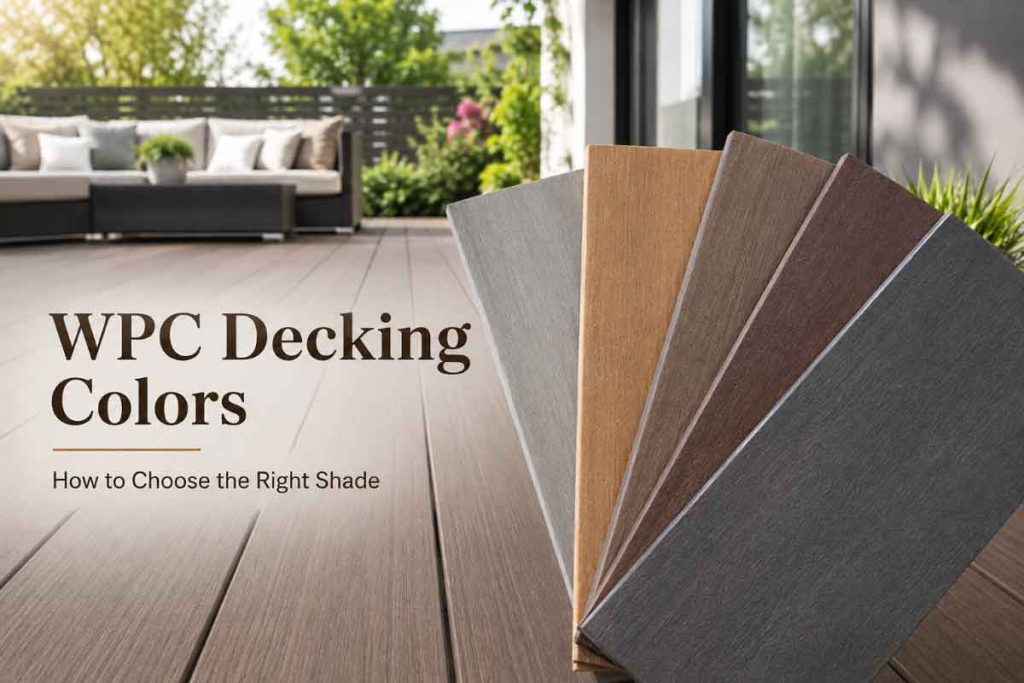
WPC (Wood Plastic Composite) decking has become a popular choice for both indoor and outdoor spaces due to its waterproof, moisture-resistant, durable, and easy-to-maintain features. When choosing the right color, many people get stuck in the decision-making process. Dark and light WPC decking not only differ in appearance and style but also in functionality, applicable scenarios, and maintenance costs. This article will compare the two in terms of appearance, core features, and suitable environments, helping you quickly choose based on your needs.
1. Appearance and Style: Two Different Vibes, Suitable for Different Decor Styles
Color is a key factor in creating the atmosphere of a space. Dark and light WPC decking can create very different aesthetics and fit various styles.
Light WPC Decking (Light Gray, Light Wood, Beige, etc.)
Light-colored WPC decking has a fresh, bright, and minimalist look. It gives the space a clean and open feel and naturally fits into modern, Scandinavian, Japanese, and country-style spaces. Whether paired with white walls, colored walls, or furniture made from various materials, it creates a harmonious and natural effect. It’s a safe choice for beginners, ensuring you can’t go wrong.
Dark WPC Decking (Dark Brown, Charcoal, Black Walnut, etc.)
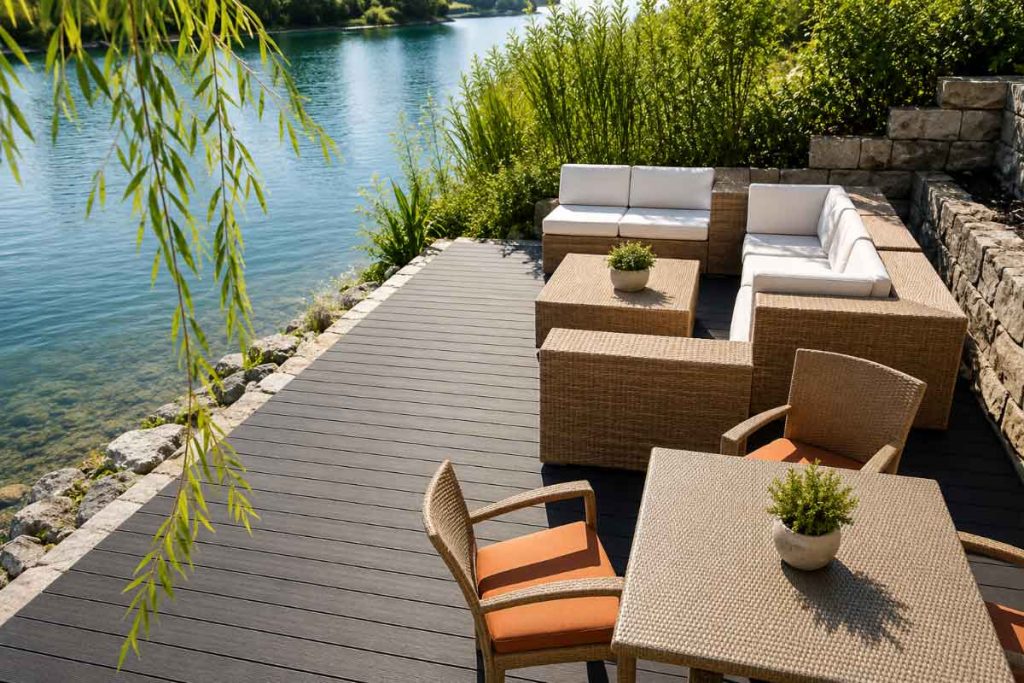
Dark-colored WPC decking exudes a sophisticated, elegant, and timeless vibe. It adds depth and richness to the space, making it ideal for classic, luxurious, vintage, or industrial-style decor. It is commonly used in Chinese, American, and industrial styles, especially in large spaces like villas or upscale homes. It enhances the luxury and stability of the environment.
2. Core Functionality Comparison: Heat Absorption, Foot Comfort, Stain Resistance, and Durability
In addition to appearance, functionality is crucial when choosing WPC decking, especially for outdoor use. Heat absorption, foot comfort, stain resistance, and aging resistance are key factors that influence your experience.
1. Heat Absorption and Foot Comfort (Outdoor Core Differences)
This is the most significant physical difference, affecting outdoor comfort:
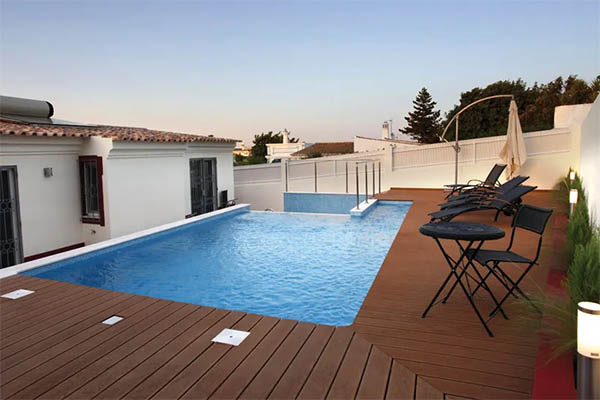
- Light WPC Decking: Reflects most of the sunlight, absorbing less heat. After sun exposure, the surface temperature stays close to the ambient temperature, making it comfortable to walk barefoot even under the hot summer sun. It’s the best choice for areas with frequent barefoot use like poolside, terraces, and rooftops.
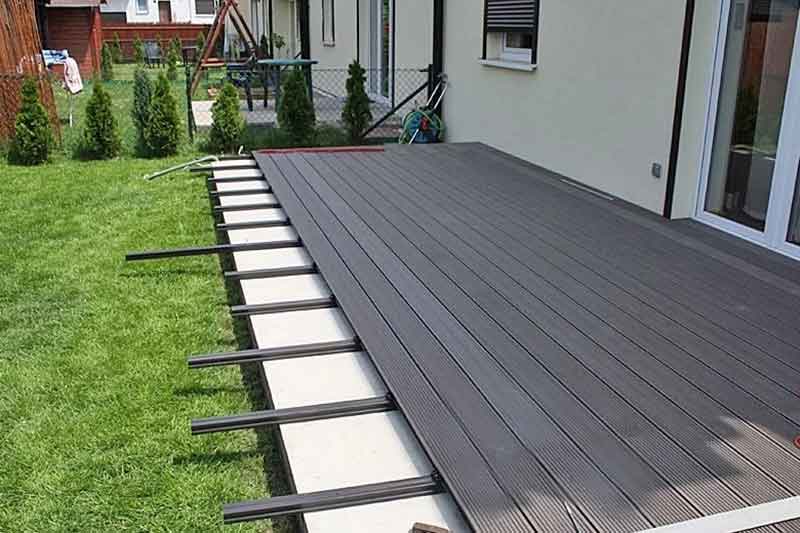
- Dark WPC Decking: Absorbs more solar radiation and heats up more. The surface temperature can be 5-15°C higher than light-colored decking. Walking barefoot in the summer can be uncomfortable, so it’s better suited for shaded courtyards, indoor spaces, or areas where barefoot use is less frequent.

2. Stain Resistance and Maintenance Cost
The ease of cleaning is a key factor:
- Light WPC Decking: Dust, water stains, and scratches are more visible, requiring cleaning every 1-2 days. It’s higher maintenance but can be easier to care for with textured patterns like fine wood or stone grain, which help to hide dirt and reduce the need for frequent cleaning. It’s perfect for low-traffic spaces or people who don’t mind cleaning.
- Dark WPC Decking: Naturally hides dirt, making dust, pet hair, light stains, and minor scratches less visible. It requires less frequent cleaning, making it ideal for high-traffic areas, homes with kids and pets, or people who want to avoid constant upkeep. However, glossy dark versions may show water stains and fingerprints more easily. Opt for matte or textured versions for better dirt resistance.
3. Aging and Long-term Use
The aging resistance of WPC decking mainly depends on the craftsmanship, with color affecting its visual wear:
- Light WPC Decking: Over time, light colors may show signs of graying or yellowing, and the color difference is more noticeable. Choose high-quality capped WPC decking for better UV and fade resistance, otherwise, it may show signs of aging within 2-3 years.
- Dark WPC Decking: Dark colors are better at hiding slight fading, so even with prolonged exposure to sunlight, the color difference isn’t as noticeable. High-quality capped WPC decking has better UV protection, fading slowly, and maintaining durability for a longer time.
3. Space Compatibility: Light and Space Impact
Color significantly affects the visual perception of space. Choosing the right color based on room size and lighting conditions can maximize the decor effect.
- Light WPC Decking: Brightens up the space and reflects light, making small or poorly-lit areas like small apartments or balconies look more open and spacious. It helps alleviate feelings of crampedness and makes the space feel airy and welcoming.
- Dark WPC Decking: Absorbs light, creating a more compact, warm, and cozy feeling. However, in small or poorly-lit spaces, it can make the area feel more confined. It’s best suited for large rooms, villas, or areas with good natural light, where it can bring out a sense of luxury and depth.
4. Pros and Cons Summary and Choosing Guide
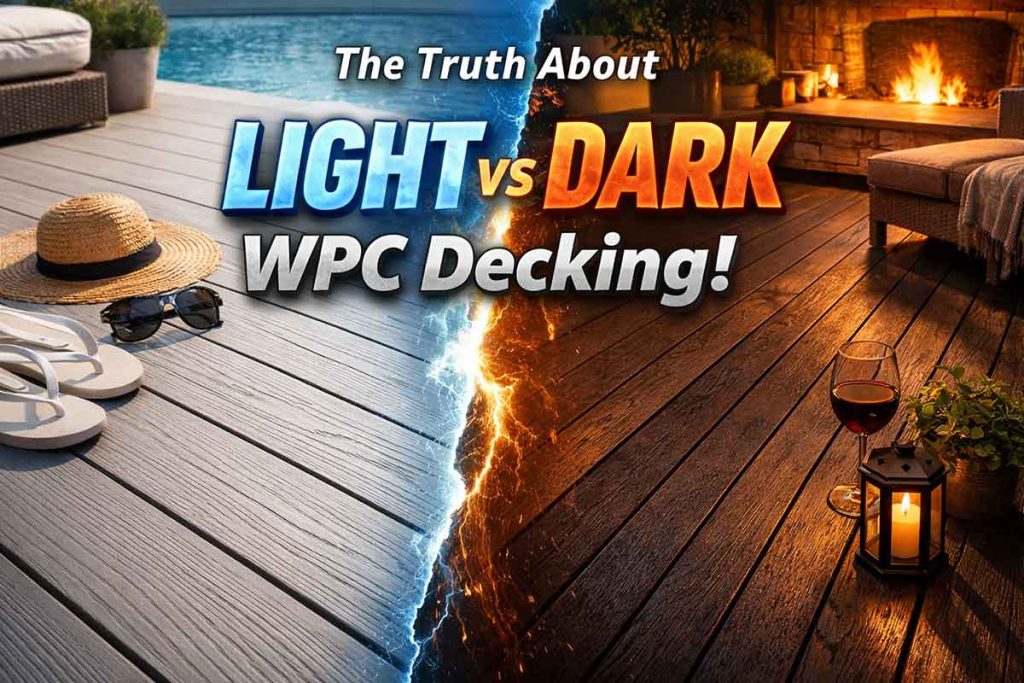
(1) Core Pros and Cons Summary
Light WPC Decking
- Pros: Cooler to the touch (suitable for outdoor sunlit areas), visually spacious, versatile, easy for beginners to choose, durable.
- Cons: Shows dirt easily, needs frequent cleaning, fading more noticeable, requires high-quality capped craftsmanship.
Dark WPC Decking
- Pros: Easy to maintain, hides dirt, high-end look, low maintenance, perfect for high-traffic areas.
- Cons: Can get too hot (not suitable for high barefoot traffic areas), makes small spaces feel more cramped, may require higher maintenance if glossy, fingerprint-prone.
(2) Precise Selection Guide
Consider your decor style, space conditions, and living habits for an easy choice:
- For Small, Poorly Lit Spaces or Modern Styles: Choose light WPC decking if you want a bright and open feel and don’t mind cleaning often. If it’s an outdoor space with direct sunlight or frequent barefoot use (like by a pool or on a terrace), light decking is the best.
- For Large Spaces, Villas, or Elegant Styles: Choose dark WPC decking if you prefer an elegant, easy-to-maintain floor with minimal cleaning, and if you need it for shaded or high-traffic areas.
- For Large Villas: You can use a mix of dark and light WPC decking to create a layered, stylish look that elevates the space and makes the design more appealing.
5. Shopping Pitfalls to Avoid
No matter which color you choose, avoid these 3 common mistakes to ensure a good experience and long-lasting use:
- Don’t Focus Only on Color, Ignore Craftsmanship: Capped WPC decking offers better UV protection, anti-fade, and dirt resistance than regular WPC, especially for light colors. Make sure to choose capped WPC for durability.
- Dark Doesn’t Mean Always Dirt-resistant: Glossy dark versions show water stains and fingerprints more. Opt for matte or textured designs for better dirt resistance.
- Light Doesn’t Mean Always Cool: While light WPC decking absorbs less heat, it can still warm up under extreme conditions. Consider using awnings or shading to improve comfort in hot climates.
Conclusion
Neither light nor dark WPC decking is absolutely superior; the key lies in matching it with your specific needs. If you prefer a bright, open, and versatile space and can manage regular cleaning, go for light WPC decking. If you want a more elegant, durable, and easy-to-maintain floor with a sophisticated look, dark WPC decking is the right choice. By considering space size, lighting, decor style, and outdoor use, you can select the best WPC decking for your needs.